Does shade affect whether you can lease solar?
Yes, shade can affect whether a solar lease works well for your home. A shaded roof may still qualify, but the system may produce less power, so the provider will usually check your roof first.
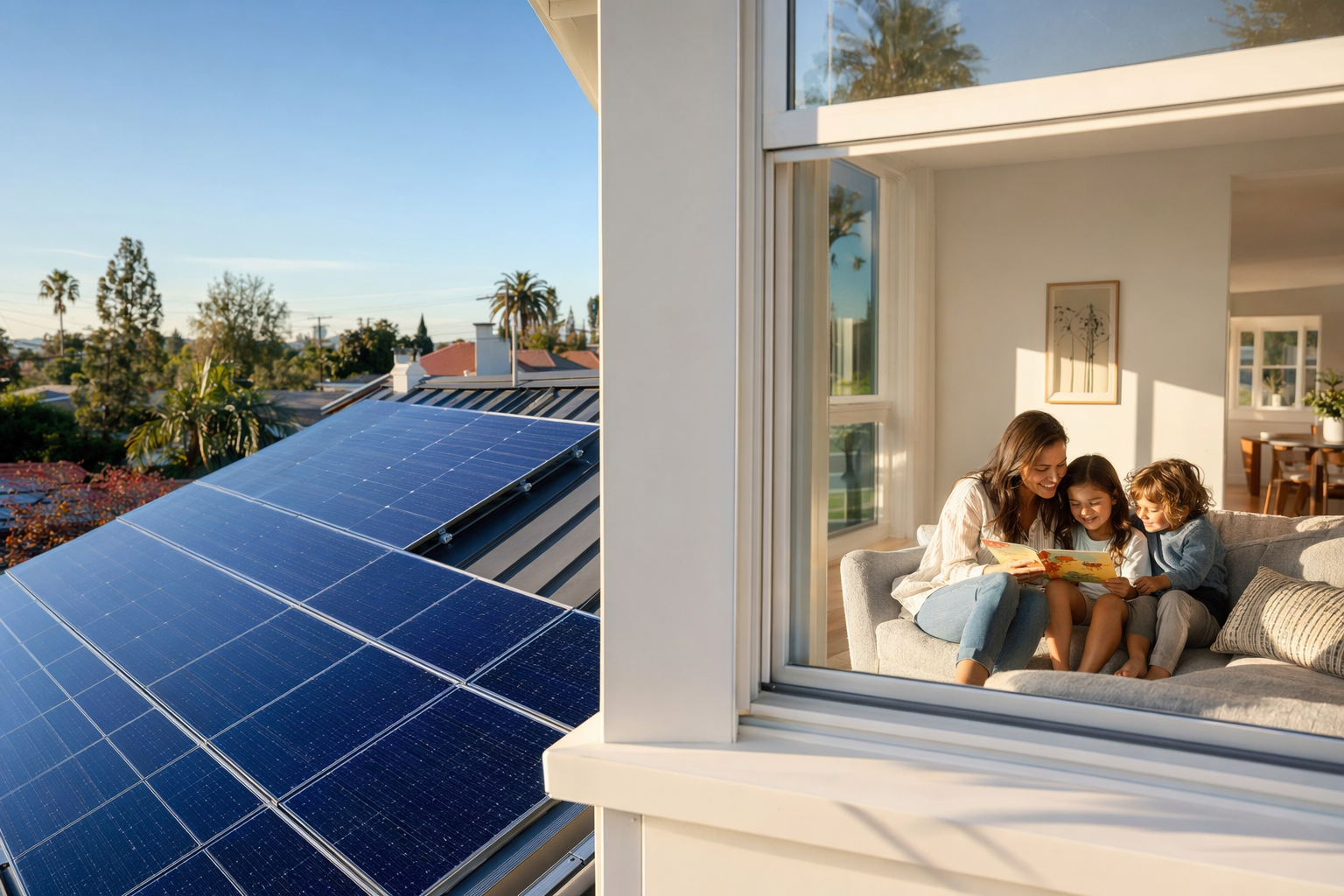
How shade can change a solar lease
Shade from trees, nearby buildings, chimneys, or roof angles can reduce how much sunlight hits the panels. That can lower energy production, which may change the lease payment, system size, or whether the home is a good fit at all.
A solar lease is a contract, so the provider will usually look at your roof, shade, utility bill, and local rules before making an offer. Some homes with partial shade can still qualify, but the terms may be different from a sunny roof.
If you want a general overview of how solar options work, see our solar guides and solar solutions.
What homeowners should ask about shade
Ask for a clear shade analysis and get the numbers in writing. You should know how much electricity the system is expected to make, whether the design includes panels on only the best roof sections, and what happens if shade gets worse over time.
It is also smart to ask about any performance estimate, payment escalator, roof work, and removal or repair fees before you sign. Solar contracts can be long, and shade-related details can affect the value of the offer.
Never sign on the spot. Take the contract home, read every page, and compare at least a few offers from vetted providers. If you want help starting that process, you can get matched with local solar providers.
Lease, PPA, or buying: why shade matters
With a lease or PPA, you usually pay for the system use or the power it produces, so shade can matter a lot if it lowers output. In some cases, the provider may design around the shade, but the monthly price and contract terms can still reflect that.
If you buy a system with a solar loan or cash, shade still matters because lower production can mean less value from the system over time. Buying can offer more long-term savings in some homes, but it usually means higher upfront cost and more responsibility for the equipment.
Remember: the federal tax credit is generally claimed by the owner of the system, which is often the provider in a lease or PPA. Rules and incentives vary by state and utility, so ask for a full written explanation before deciding.
When shade may be a bigger problem
Shade may be a bigger concern if your roof has:
- Heavy tree cover that cannot be trimmed
- Tall nearby buildings that block sun for much of the day
- Many roof features, like vents or dormers, that reduce usable space
- A roof direction or angle that already gets less sun
In some cases, a provider may suggest a smaller system, a different roof section, or a different solar option. Sometimes the answer is simply that solar is not a good fit right now.
A simple checklist before you decide
Before you move forward, make sure you have:
- A written shade or site assessment
- The monthly payment or PPA price in writing
- The expected system size and production estimate
- Any escalator, fee, or end-of-term option in the contract
- A comparison of more than one offer
If a salesperson pushes you to decide fast, slow down. Some door-to-door and phone sales practices are regulated in certain states, and a good provider should give you time to review everything.
Shade does not always rule out a solar lease, but it can lower production and change the offer, so get a written assessment and compare contracts before you decide.