Solar loans: financing a system you own
A solar loan lets you spread out the cost of panels over time while owning the system on your home. That can mean more long-term value, but the monthly payment, fees, and terms matter a lot.

How a solar loan works
With a solar loan, you borrow money to pay for a solar system, then repay that loan in monthly payments over time. Unlike a lease or power purchase agreement (PPA), you usually own the system once it is installed, so the benefits and responsibilities of ownership are yours.
In many cases, the lender pays the installer, and you repay the lender over a set term. Common loan terms are often around 5 to 25 years. Some loans are secured by the solar equipment or a filing on the system, while others are unsecured. Rules, products, and consumer protections can vary by state and lender.
Because you own the system, you may be the one who can claim available tax benefits if you qualify. We are not a tax or financial advisor, so it is smart to ask a qualified professional how any tax credit may apply to your situation.
What solar loans can cost
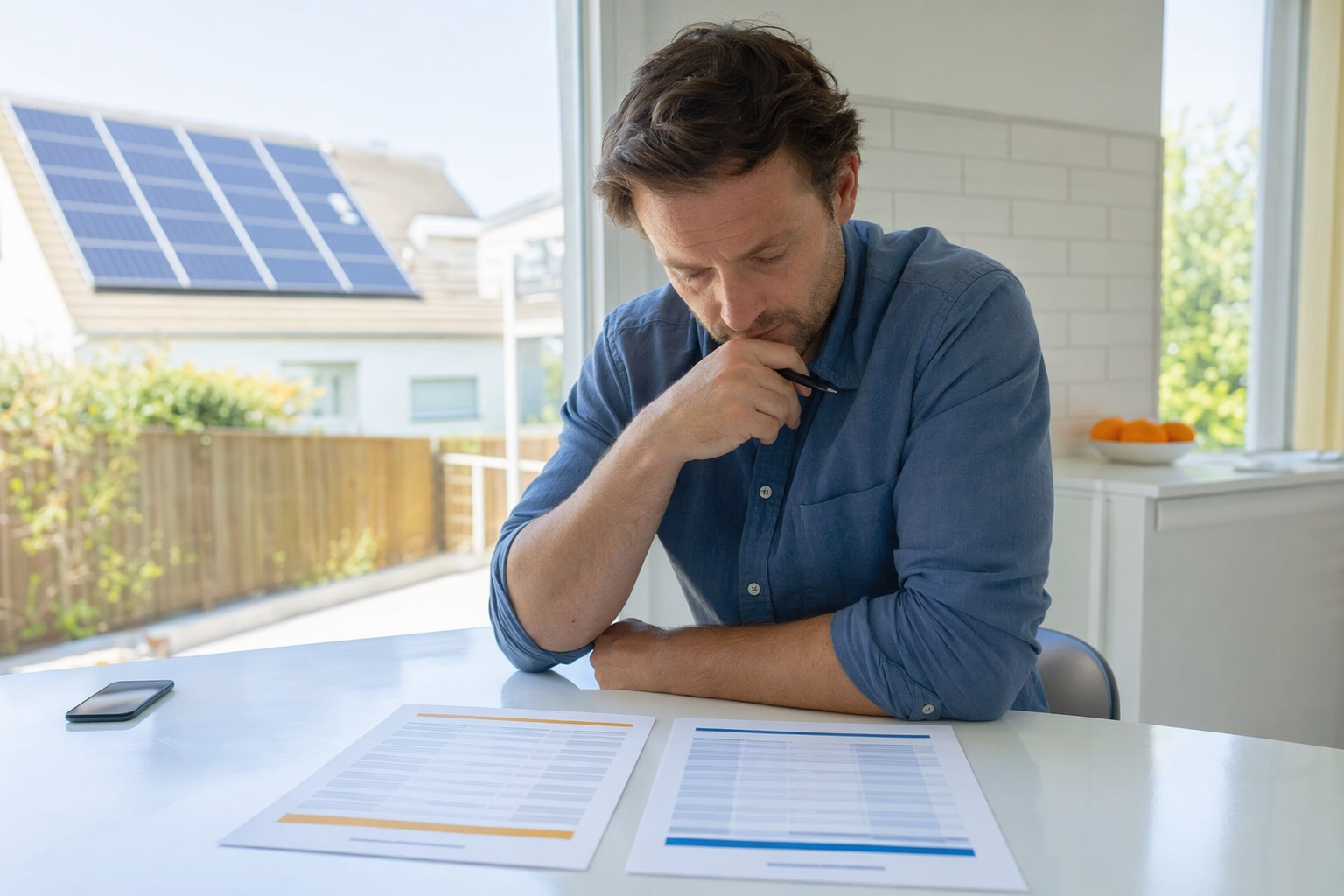
Solar loan pricing is not just about the interest rate. You may see APR, dealer fees, origination fees, closing costs, prepayment rules, and term length. A loan advertised with a very low rate may include a large dealer fee built into the total project price.
For many homes, financed solar systems can range from roughly $15,000 to $40,000+ before incentives, depending on system size, roof type, equipment, battery storage, and local labor costs. Monthly payments vary widely. Some homeowners may see payments in the low hundreds of dollars per month, while others may be higher, especially with batteries or larger systems.
Rates and terms vary by credit profile, lender, state, and market conditions. Shorter terms often mean higher monthly payments but less total interest. Longer terms may lower the monthly payment but can increase the total amount paid over time.
Always ask for every number in writing, including the cash price, financed price, APR, total finance charges, monthly payment, term, and any fees. That is one of the best ways to compare offers fairly.
Why some homeowners choose a loan
A solar loan can appeal to homeowners who want the long-term value of ownership without paying the full cost upfront. If the system performs well and the loan terms are reasonable, owning can sometimes lead to lower long-term energy costs than renting solar. But that outcome is never guaranteed and varies by home, utility rates, usage, weather, and contract terms.
Another reason people choose a loan is control. You may have more say over equipment choices, warranties, and what happens if you sell the home. Since you own the system, there is no solar lessor setting lease terms or taking the federal tax credit.
For many homeowners, the biggest attraction is simple: the loan ends. Once the loan is paid off, you still own the system. That can be different from a lease or PPA, where payments can continue under the contract structure. If you want a broader overview of options, see solar solutions or compare lease vs. buy solar.
Trade-offs and risks to watch for
Ownership is not automatically the best fit for every household. A loan usually means you are responsible for making payments whether the system produces a lot or a little in a given month. If your roof needs repairs soon, if you may move in the near future, or if your budget is tight, a loan may feel less flexible than a lease or PPA.
You also need to look closely at sales claims. Some presentations compare a loan payment to your current electric bill and make solar look simple. But utility rates, system output, net metering rules, and maintenance needs can all change. Savings may happen, but they vary, and they should never be promised.
Watch for escalators in related products, very long terms, large dealer fees, pressure to sign the same day, or vague answers about warranties and service. Be extra careful with door-to-door or phone sales. Some states regulate these practices, but rules differ. A good provider should give you time to review the contract, ask questions, and compare offers.
If you are also considering low-upfront options, our guide on how solar leasing works can help you understand the differences.
Who a solar loan may suit best
A solar loan may be a good fit for homeowners who want to own their system, plan to stay in the home for several years, and are comfortable taking time to compare financing terms. It can also suit people who want to be the party that may claim available tax benefits, if eligible.
It may be less attractive for homeowners who want the lowest possible upfront commitment, who are unsure about their roof condition, or who do not want responsibility for an owned system. In those cases, a lease or PPA may be worth comparing, even though the provider usually claims the federal tax credit and contract payments may increase over time.
If you want help reviewing your choices, SunWise Lease is a free matching service that helps you understand options and get matched with vetted local solar providers. We only collect basic home and contact details so providers can follow up. We do not ask for Social Security numbers, bank account numbers, or credit-card numbers.
How to compare loan offers the smart way
Before you decide, try to collect at least two or three quotes. Ask each provider for the same information so you can compare apples to apples. Never sign on the spot.
Here are good questions to ask:
1. What is the cash price versus the financed price?
2. What is the APR, not just the interest rate?
3. Are there dealer fees, origination fees, or prepayment penalties?
4. What happens if I sell my home before the loan is paid off?
5. What warranties cover the panels, inverter, roof work, and labor?
6. What production estimate are you using, and what assumptions are behind it?
Read the full contract slowly. Look for monthly payment amounts, term length, fees, late-payment rules, service contacts, and any promises made during the sales talk. If something important was said out loud but is not in writing, ask to have it added or clarified before you move forward.
A solar loan can help you own panels without paying all at once, but you should compare fees, rates, and contracts carefully before deciding.