Solar lease vs buying: full comparison
Leasing solar and buying solar can both lower your electric bill, but they work very differently. This side-by-side guide explains the trade-offs in plain English so you can compare real offers with confidence.
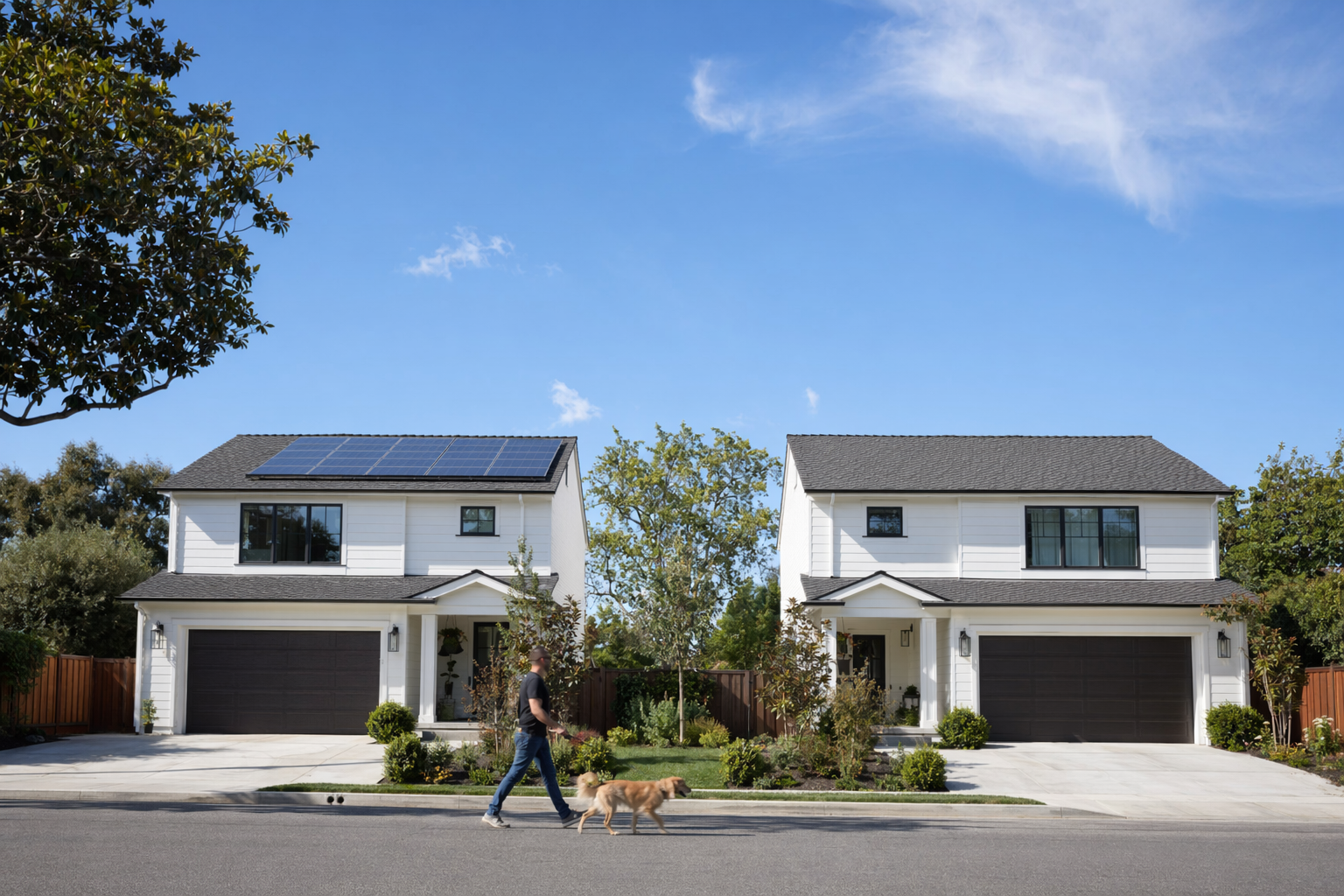
Solar lease vs buying: the big picture
The main difference is ownership. With a solar lease, a solar provider owns the system on your roof and you pay a set monthly amount to use it. When you buy solar, you own the system yourself, either by paying cash or using a loan.
That one difference affects almost everything else: upfront cost, monthly payments, who gets the federal tax credit, who handles maintenance, and what happens if you sell your home later.
A lease can be attractive if you want low or no upfront cost and a simple monthly payment. Buying can be attractive if you want more long-term control and the chance for more value over time. Neither option is automatically better for every home.
If you are still learning the basics, you can also explore more solar solutions or see other side-by-side comparisons.
Upfront cost and monthly cost
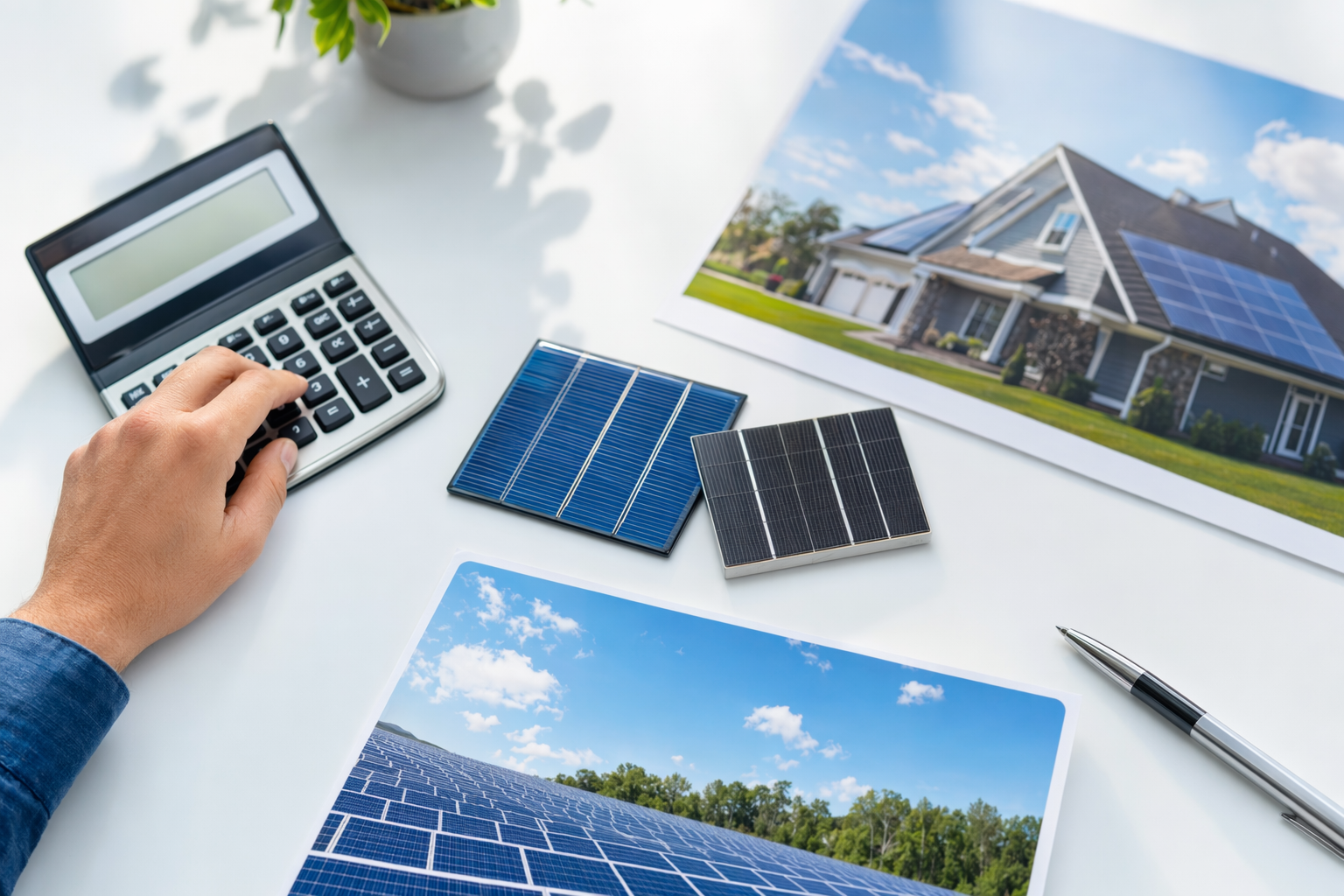
For many homeowners, the first question is cost. A solar lease often has $0 down or a low upfront payment. That can make it easier to get started. Your monthly lease payment may be fixed, or it may rise over time if the contract includes an escalator.
Buying solar usually means a higher upfront cost if you pay cash. If you use a solar loan, you may have little money down, but you still own the system and make monthly loan payments. Depending on the loan terms, your payment may be lower or higher than a lease payment.
The lowest upfront cost is not always the lowest total cost over 20 to 25 years. A lease can be easier at the start, but buying may cost less over the long run for some homeowners. That depends on your roof, utility rates, contract terms, system size, state rules, and how long you stay in the home.
Ask every company for the same numbers in writing: upfront amount, monthly payment, payment increases, contract length, estimated production, and the total amount you may pay over time.
Ownership, tax credit, and long-term value
If you buy the system, you usually own the equipment. That means you may be able to claim available ownership-based incentives, including the federal solar tax credit if you qualify. SunWise Lease does not give tax or financial advice, so it is smart to check with a qualified tax professional about your situation.
If you lease the system, the provider usually owns it. In that case, the provider — not the homeowner — usually claims the federal tax credit. Some lease offers may still show lower monthly costs because the provider builds incentives into the pricing, but that is not the same as you receiving the tax credit directly.
Ownership also affects long-term value. If you own the system, once a cash purchase is paid for — or once a loan is paid off — you may keep getting power from the panels with no lease payment. With a lease, payments typically continue for the full contract term, often around 20 to 25 years.
That does not mean buying is always best. A lease can still make sense for homeowners who want predictable setup costs and do not want to take on system ownership.
Maintenance, repairs, and monitoring
One reason some homeowners choose a lease is convenience. Because the provider owns the system, the provider often handles monitoring, maintenance, and certain repairs under the contract. That can feel simpler, especially if you do not want to manage equipment issues yourself.
If you buy solar, maintenance responsibility is usually yours as the owner. Many systems need very little routine maintenance, but problems can still happen. You should ask about equipment warranties, workmanship coverage, who to call for service, and whether monitoring is included.
In real life, the details vary a lot. Some owned systems come with strong warranties. Some lease contracts have limits, exclusions, or service conditions. Do not assume. Read the full agreement and ask what is covered, for how long, and who pays if the roof needs work later.
Selling your home: what can happen
Solar can affect a home sale, but not always in the same way. If you own the system, some buyers may like that the panels come with the home and no separate lease needs to be transferred. Still, home-sale impact varies by market, buyer preferences, system age, and local utility rules.
If you lease the system, the buyer may need to take over the lease, or the seller may need to buy out the contract, depending on the agreement and the buyer's approval. This can add extra steps during closing. It does not always stop a sale, but it can make the process more complicated.
Before signing a lease, ask very clear questions about home sale options:
- Can the lease be transferred?
- Does the new buyer need credit approval?
- Is there a buyout option?
- How is the buyout price calculated?
- Are there fees for early termination?
Get those answers in writing. This is one of the most important parts of the decision.
How to compare offers the smart way
The best choice is rarely made from one ad or one sales pitch. It comes from comparing real quotes side by side. Ask each provider for the full contract and the same key details so you can make a fair comparison.
Use this checklist when you compare a lease and a purchase offer:
1. Upfront cost
2. Monthly payment
3. Whether payments increase over time
4. Contract term or loan term
5. Estimated yearly production
6. Who owns the system
7. Who gets the tax credit and other incentives
8. Maintenance and repair coverage
9. Home-sale transfer or buyout rules
10. Total estimated cost over time
Never feel rushed to sign on the spot. High-pressure door-to-door and phone sales can be hard to evaluate, and some states have rules about these sales practices. Take your time, read every page, and compare multiple offers.
SunWise Lease is a free matching service. We help homeowners get matched with vetted local solar providers so they can compare lease, PPA, and purchase options. We only collect basic home and contact details to help connect you. We do not ask for Social Security numbers, bank account numbers, or credit-card numbers.
A solar lease can mean lower upfront cost, while buying can mean more control and possible long-term value, so compare real quotes carefully before you decide.