Solar leasing: how it works and what it really costs
A solar lease can lower the upfront cost of going solar, but it is not the same as owning the panels. This page explains how leases work, what they may cost, and the trade-offs to compare before you sign.
What a solar lease is
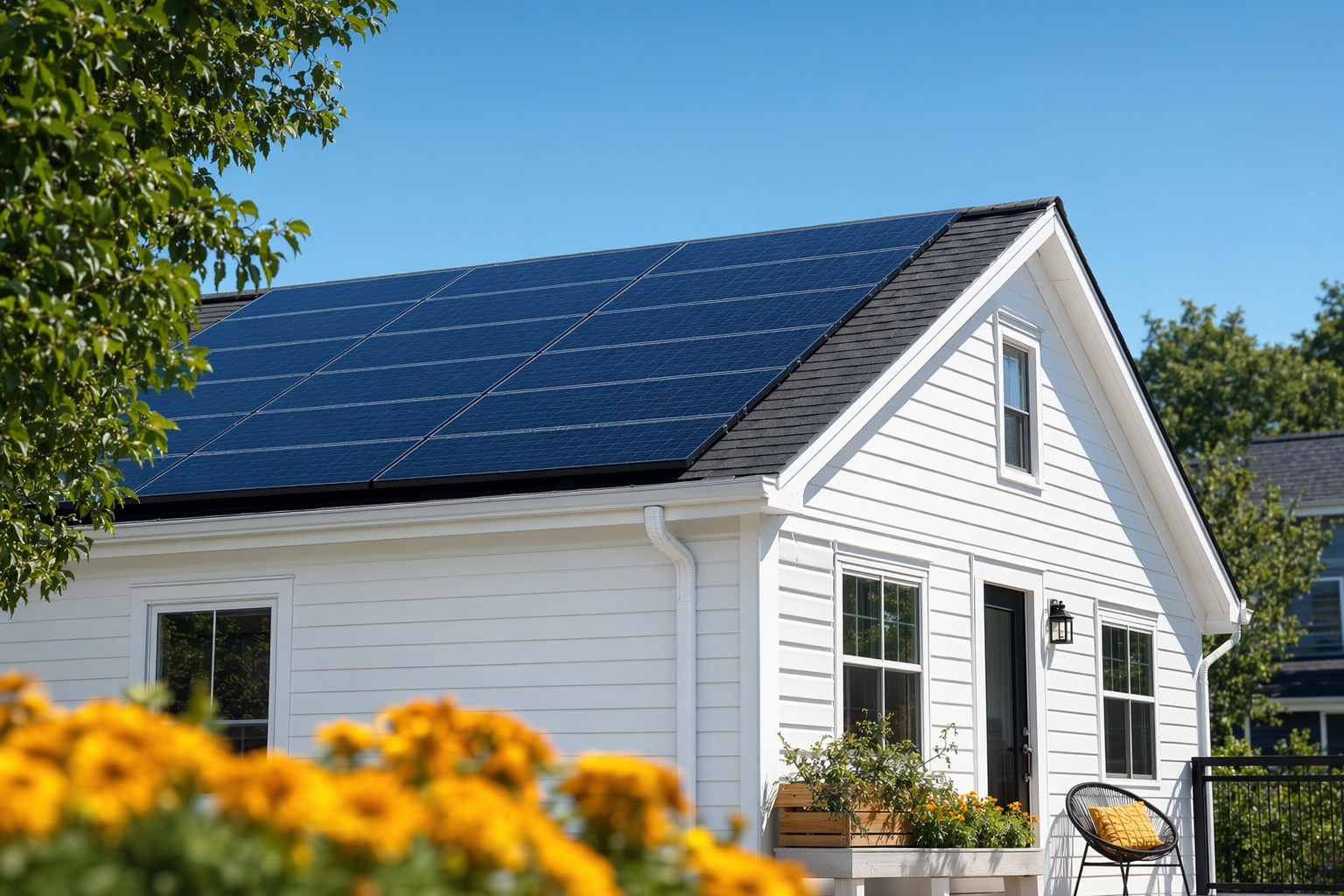
With a solar lease, you usually pay a fixed monthly fee to use solar panels on your home. The solar provider owns the equipment and handles installation, and in many cases they also handle monitoring or maintenance, depending on the contract.
A lease can be appealing if you want solar with little or no money down. But because the provider owns the system, you usually do not claim the federal tax credit yourself. The contract may also include annual payment increases, sometimes called escalators, so it is important to read the full terms.
SunWise Lease is a free matching service. We do not install panels, lease systems, or give financial advice. We help you compare options from vetted local solar providers so you can decide what fits your home.
- You pay a monthly lease payment.
- The provider owns the panels.
- Terms can include an escalator.
How the monthly cost works
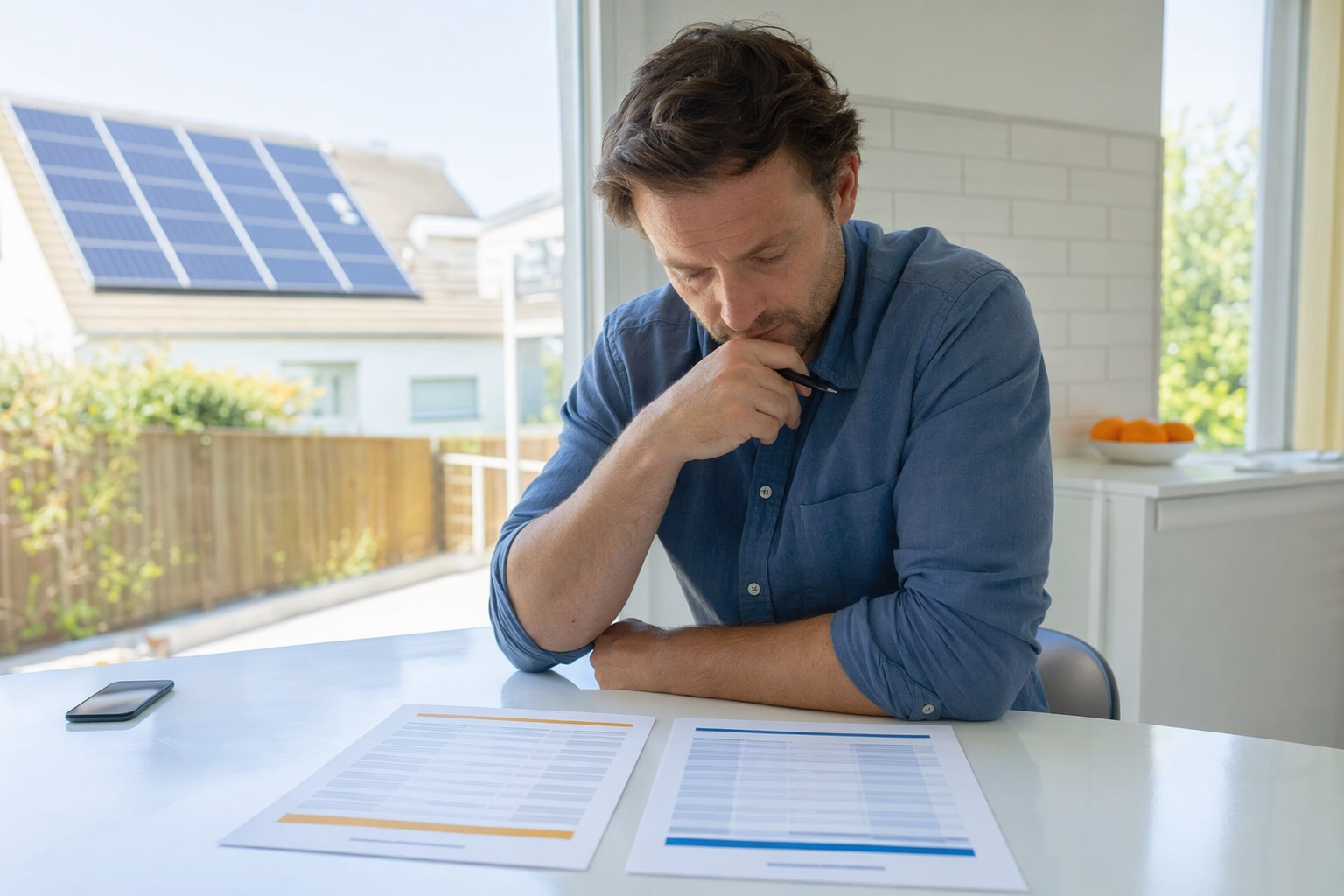
Lease pricing varies by home, roof size, shade, local utility rates, system size, and state rules. Some households see monthly payments in the low tens to a few hundred dollars, but there is no standard price. Your quote should show the monthly payment, contract length, any yearly increase, and whether there are fees for moving, ending early, or buying the system later.
It helps to ask for every number in writing. A good quote should also explain who pays for repairs, performance monitoring, insurance, and roof work if the panels need to come off.
Do not sign on the spot. Compare at least a few offers and ask how the lease payment compares with your current electric bill in different seasons. A provider should be willing to explain the contract in plain language.
- Ask about the monthly payment and annual increase.
- Ask who handles repairs and maintenance.
- Ask about early termination and transfer fees.
Pros and cons of a solar lease
A lease can make solar feel more accessible because the upfront cost is often low. For some homeowners, that lower barrier is the main benefit. It can also be simpler than buying because the provider usually handles system ownership and much of the service work.
The trade-off is that long-term savings may be lower than with ownership. The provider, not the homeowner, usually claims the federal tax credit. If the contract has an escalator, your payment can rise over time even if your utility bill changes. And if you sell your home, you may need to transfer the lease to the next buyer or follow a buyout process.
Before you decide, compare the lease with a solar loan and a cash purchase. Our lease vs buy guide explains the differences in plain language.
- Low upfront cost can be helpful.
- Provider usually owns the system and takes the tax credit.
- Escalators and transfer rules can reduce flexibility.
Who a lease may suit
A solar lease may fit a homeowner who wants solar now, has limited cash up front, and prefers a simpler monthly payment instead of buying equipment. It may also work for someone who plans to stay in the home long enough to make the contract useful, but who wants to avoid the higher initial cost of ownership.
A lease may be less ideal if you want the strongest long-term savings, want to use the federal tax credit yourself, or think you may move soon. In those cases, a loan or purchase may be worth comparing.
Rules and incentives vary by state and utility, so the best choice in one area may not be the best choice in another. That is why it helps to look at multiple offers and ask questions before you decide.
- Often fits homeowners with low upfront cash.
- Can suit people who want less maintenance responsibility.
- May not suit people who may move soon.
How to compare offers safely
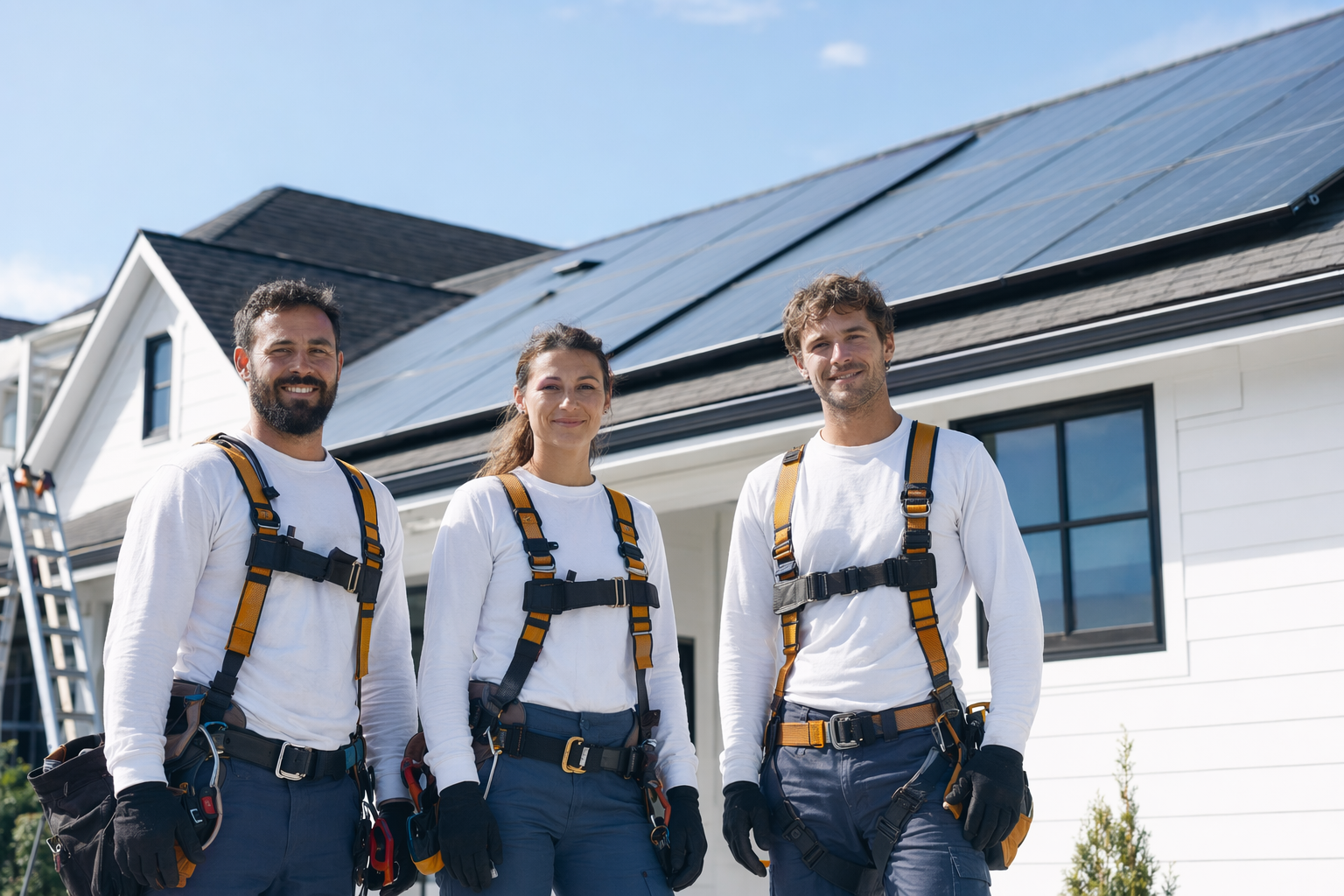
A lease offer should be easy to compare side by side with other options. Ask for the contract length, monthly payment, annual escalator, estimated output, transfer rules, buyout terms, and any fees. If a salesperson pressures you to act fast, slow down. Some door-to-door and phone sales practices are regulated in certain states, and it is always okay to say you need time to review the paperwork.
You should also ask whether the system can be moved if your roof needs repair, who is responsible if panels underperform, and what happens if your utility rates change. Never rely only on a promise about savings. Solar can help some households lower electric costs, but results vary a lot by home and contract.
If you want help finding local providers, you can get matched with vetted solar companies after you share basic home and contact details. We do not ask for Social Security numbers, bank account details, or credit-card numbers.
- Get all pricing and fees in writing.
- Compare at least 2-3 offers.
- Never sign during a high-pressure sales pitch.
A solar lease can make solar affordable up front, but the provider owns the panels, payments can rise, and you should compare offers and read every contract detail before deciding.