How solar leasing works, step by step
Thinking about a solar lease? Here is the process from first quote to installation and monthly payments, in plain language, so you know what to expect before you sign anything.
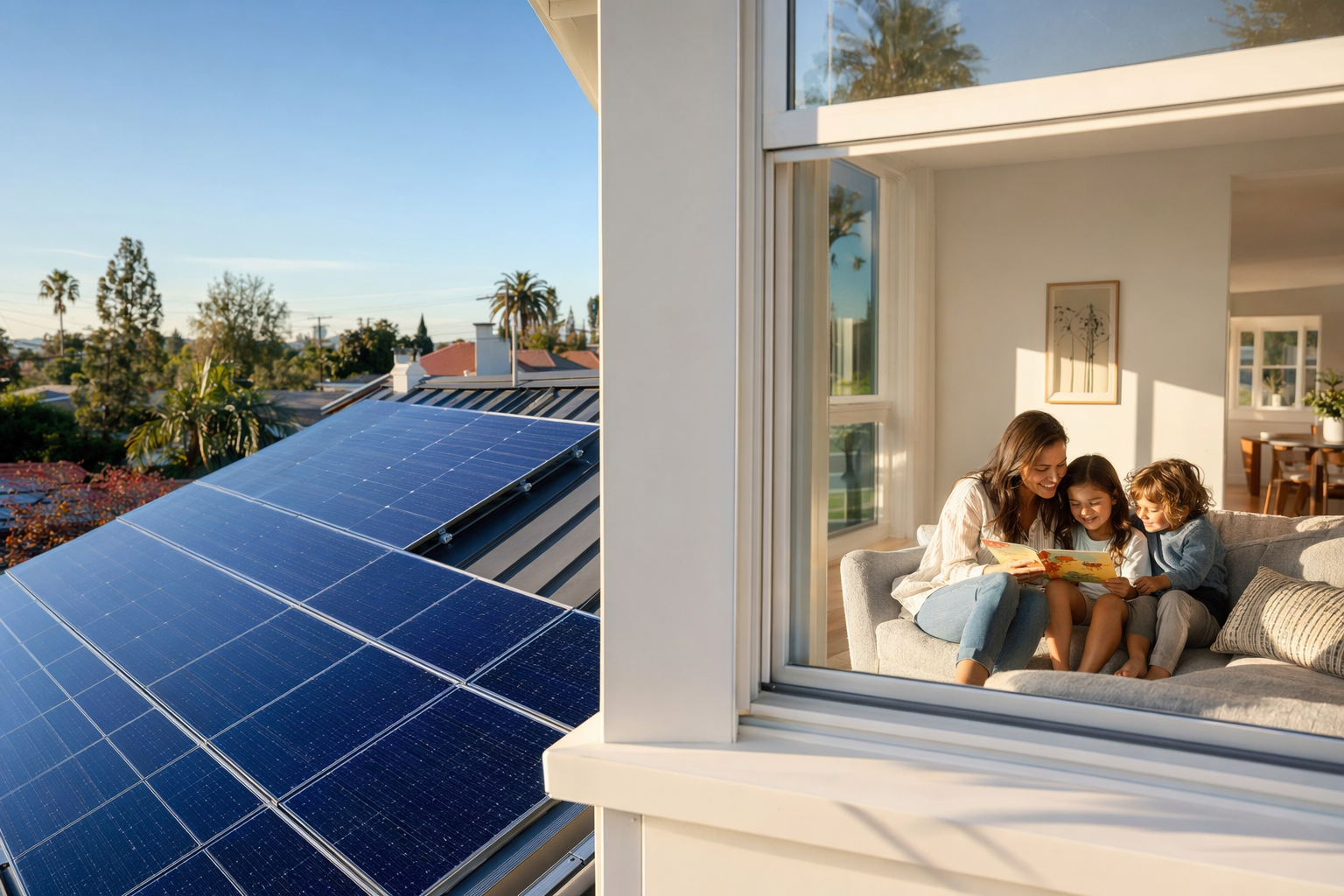
What a solar lease is
A solar lease lets you put solar panels on your home with little or no upfront cost in many cases. Instead of buying the system, you pay a fixed monthly amount to a solar company that owns the equipment.
That company usually handles installation, monitoring, and some maintenance during the lease term. Because the provider owns the system, the provider — not the homeowner — usually claims the federal tax credit and certain other ownership-based incentives.
Lease terms often last around 15 to 25 years, but details vary by provider, state, utility, and contract. A lease can be a good fit for some homeowners who want lower upfront cost, but it is important to understand the trade-offs before moving forward.
Step 1: Compare quotes and ask basic questions

The process usually starts with a quote. A provider may ask for your address, recent electric bill, roof type, and contact details so they can estimate system size and possible monthly lease payments. You should not need to provide Social Security numbers, bank account numbers, or credit-card numbers just to learn your options.
This is a good time to compare a lease with other ways to go solar, such as a PPA or a loan. Our solar solutions page can help you understand the differences in simple terms.
Ask every company the same questions so you can compare fairly:
- What is the monthly payment?
- Is there an escalator that raises the payment each year?
- How long is the contract?
- Who repairs the system if something breaks?
- What happens if I move?
- What fees apply if I end the contract early?
Try to get at least 2 to 3 offers in writing. Never feel rushed. If someone wants you to sign the same day, that is a reason to slow down and review everything carefully.
Step 2: Home review, roof check, and system design
If a quote looks promising, the provider usually reviews whether your home is a good match for solar. They may use satellite images first, then schedule a site visit or remote inspection. They will look at roof age, roof condition, shading from trees or buildings, panel placement, and your past electricity use.
Next, they create a proposed system design. This design estimates how much electricity the system may produce in a typical year. Production is never exact. It can vary based on weather, roof direction, shade, panel performance, and utility rules.
Ask for the estimated annual production in writing, along with the assumptions behind it. Also ask whether the roof may need repairs before installation. If your roof is older, replacing or fixing it first may save trouble later, because removing and reinstalling panels can add cost.
Step 3: Review the lease contract slowly
This is the most important step. A solar lease contract is usually long, and the details matter more than the sales pitch. Read the full agreement. If English is not your first language, ask for help from a trusted family member, friend, translator, or attorney if needed.
Look closely at these terms:
1. Monthly payment and when it starts
2. Contract length, often around 15 to 25 years
3. Escalator, which may increase payments by around 1% to 3% per year in some contracts
4. Estimated production and whether there is any performance promise
5. Maintenance, repairs, and monitoring responsibilities
6. Insurance requirements, if any
7. Fees for transfer, early termination, or system removal
8. End-of-term options, such as renewal, purchase if offered, or removal
Do not rely on verbal promises. Get every number in writing. If anything is unclear, ask questions until it makes sense. You can also review more plain-language help in our solar answers and guides.
A gentle warning: some door-to-door and phone sales can be high pressure. Some states have rules about cancellation periods and sales practices, but those rules vary. Even if a salesperson says an offer ends today, it is usually smarter to pause, review, and compare.
Step 4: Permits, approvals, and installation
After you sign, the provider usually handles project paperwork. This may include permits from your city or county, utility paperwork, and homeowner association steps if they apply in your area. Timing varies a lot. In some cases this stage takes a few weeks. In others, it can take longer depending on local approvals.
Once approvals are ready, the installer schedules the work. Installation itself often takes 1 to 3 days for a typical home, but the full timeline from signing to turning the system on can be several weeks to a few months.
After installation, there is usually a final inspection and utility approval before the system can operate. This is sometimes called permission to operate. Your lease payment may start before or after that point depending on the contract, so check the exact wording.
Step 5: Your first bills, ongoing service, and what happens later

When the system is running, most homeowners still receive a utility bill, but it may be lower than before depending on how much solar power the system produces and how your utility credits solar energy. You will also receive a separate solar lease bill from the provider. How these two bills work together depends on your state, utility plan, and lease terms.
Some households see lower total monthly energy costs, while others may see smaller changes than expected. Savings can vary widely based on roof conditions, local electricity rates, system size, weather, utility billing rules, and contract details. There are no guaranteed results.
During the lease term, the provider usually monitors the system and handles covered maintenance. Still, ask how to report problems and how long repairs typically take. Near the end of the contract, you may have options such as renewing the lease, asking about a purchase option if available, or having the system removed. Those options should be spelled out in your agreement.
If you want help comparing lease offers with local companies, our free service can match you with vetted solar providers. We are not an installer or lessor. We simply help you explore options and ask better questions before you decide.
A solar lease can lower upfront cost, but you should compare offers, read the full contract, and understand who owns the system, who gets incentives, and how payments may change over time.