How much can you save by leasing solar?
Leasing solar can lower your upfront cost, but your monthly payment and long-term savings depend on your home, utility rates, and state rules. Here’s a short, honest way to estimate what you *might* save.
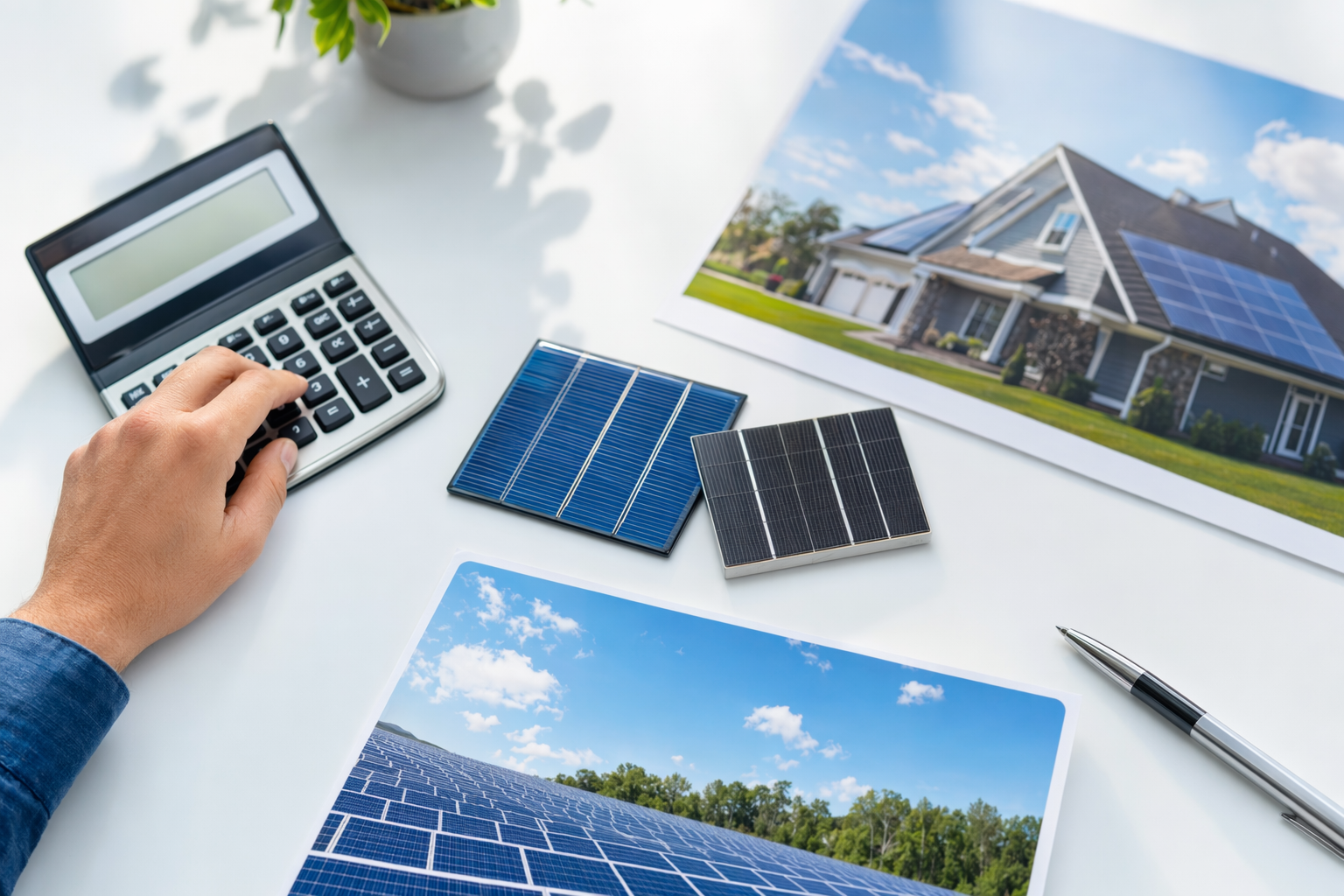
Quick answer: you might save money—but leases don’t guarantee it
With a solar lease or PPA (power purchase agreement), you usually pay a lower upfront amount (sometimes $0 down), and you receive solar energy through the provider’s system. In many cases, homeowners can see monthly bill reductions, but the exact savings can vary widely.
A big reason: lease terms are written around today’s electricity prices, then they may include payment escalators (payment increases over time). If utility rates rise faster than expected—or slower—your results can change.
If you want a clearer estimate, start with your last 12 months of electric bills and compare offers side-by-side. SunWise Lease is a free matching service that helps you find vetted local solar providers for learning and comparison, not an installer and not a financial advisor.
What leasing usually means for your savings

In a lease/PPA, the provider typically owns the solar system, so they usually claim the federal tax credit (this is why leases can have low or no upfront cost). Your savings come mainly from the difference between:
- What you would have paid your utility without solar
- What you pay for the solar lease/PPA each month
Because your contract sets the lease payment structure, your savings can be smaller or larger depending on your utility rate, roof suitability, system size, and contract terms.
Typical lease and PPA contracts can run 15–25 years. If payments include an escalator, your monthly cost may rise even while your utility bill savings remain uncertain.
Common ranges people look at (and why they vary)
Homeowners often ask about savings as a percentage off their electric bill or dollars per year. In practice, reported savings (when they happen) often fall into broad ranges such as tens to low hundreds of dollars per month, or single-digit to moderate percentage reductions—depending on your location and contract.
But it’s not one-size-fits-all. Savings can be affected by:
- Your utility’s rate plan and how often rates change
- Your home’s electricity use (kWh) and time-of-use rates
- System size and production (roof shading, orientation, weather)
- Contract details like escalators, bill-credit calculations, and any cancellation terms
Because every state and utility is different, the only honest answer is that leasing *may* reduce your bill, but the amount depends on your specific numbers.
What to check in the contract before you decide
Ask for the full proposal and get every number in writing. If anything is unclear, ask questions before signing. Here are key items that can strongly affect savings:
- Monthly payment and term length (e.g., 20 years)
- Escalator: how much your payment may increase over time
- How bill credits work (and when they apply, if your utility uses credits)
- Production assumptions: estimate of how much electricity the system will generate
- Transfer / cancellation rules: what happens if you move
- Fees: any early termination, service, or administrative fees
Even if the offer sounds great, don’t sign the same day. In many places, door-to-door and phone sales are regulated—still, high-pressure tactics are a reason to slow down and review calmly.
Compare leasing vs. buying (so you know what you’re trading)
Leasing can be appealing if you want low upfront cost or less responsibility for maintenance. Buying/owning (with a solar loan or paying cash) can sometimes lead to more long-term value, but it usually requires more money upfront and comes with more ownership responsibilities.
For a quick, educational comparison, you can explore:
The best choice is the one that fits your budget and risk comfort—not the one with the biggest headline discount.
Want a personalized estimate? Get matched with providers (free)

To estimate how much leasing solar could save for you, providers need your roof and electricity details. SunWise Lease is a FREE matching service that can help you connect with vetted local solar providers so you can request quotes and compare terms.
Next steps:
- Gather your last 12 months of electric bills
- Note your utility name and any rate plan details (if available)
- Review contract terms carefully—especially escalators and payment changes
- Compare at least a couple of offers
If you’re ready to explore options, start here: Get matched.
Leasing solar can lower your upfront cost and may reduce your electric bill, but the real savings depend on your utility rates, roof, and especially contract terms like escalators—compare offers carefully.