Is a solar lease a good idea?
Maybe. A solar lease can be a good fit for some homeowners, especially if they want little or no upfront cost. But it is not always the cheapest path over time, and terms can vary a lot.
Short answer: sometimes, but not for everyone
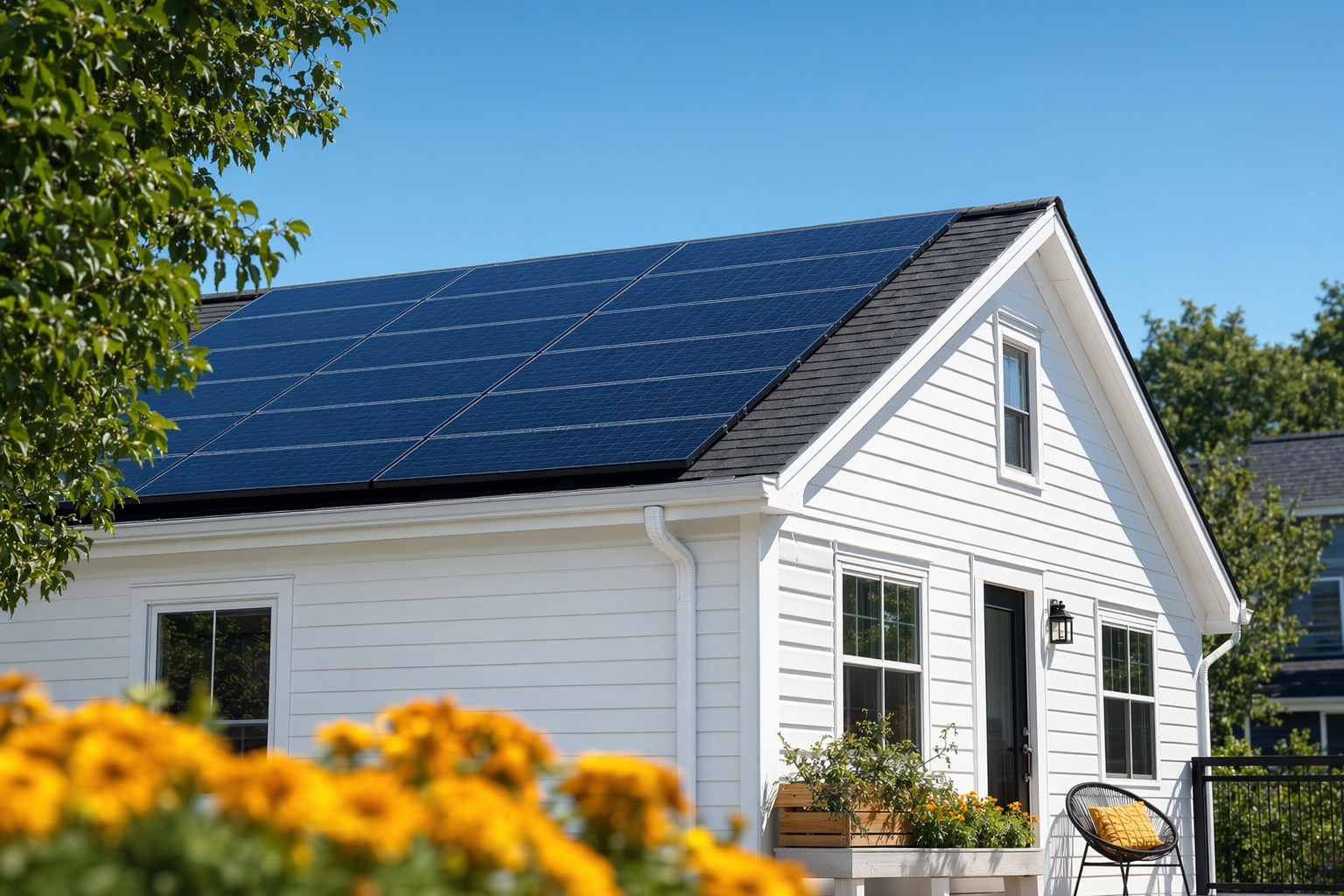
A solar lease can be a good idea if you want to go solar without paying a large amount upfront. In a lease, a solar company usually owns the system on your roof, and you make a monthly payment to use it.
That setup can make solar feel simpler. The provider often handles monitoring, maintenance, and some repairs. For homeowners who do not want a loan or do not want the responsibility of owning equipment, that can be appealing.
But there is a trade-off. Because you usually do not own the system, the provider typically claims the federal tax credit, not you. And while a lease may lower your upfront cost, buying a system with cash or a loan can sometimes lead to more long-term savings for the homeowner.
If you are unsure, it helps to compare a lease with a solar loan and other options before deciding.
When a solar lease may make sense

A lease may be worth a look if your main goal is low upfront cost. Many leases start with little or no money down, though terms vary by provider and state.
It may also make sense if you do not expect to use tax credits yourself, or if you simply prefer predictable monthly payments instead of a large purchase. Some homeowners like the idea that the provider is responsible for the system as owner.
A lease can also be helpful if you want to start with a simple offer and compare it against a PPA or loan. The best choice depends on your roof, local utility rates, how much electricity you use, and how long you expect to stay in the home.
When a solar lease may not be the best choice
A solar lease may not be the best idea if your top goal is getting the most long-term value from solar. In many cases, homeowners who own their system can keep more of the financial benefits over time, although results vary.
You should also be careful if the contract includes an escalator. That means your payment can go up each year, often by a small percentage. Even a 1% to 3% yearly increase can matter over 15 to 25 years.
A lease can also create extra steps if you sell your home. A buyer may need to take over the lease, or the system may need to be bought out or removed. This does not always stop a home sale, but it can make the process more complicated.
If you think you may move in a few years, ask direct questions about transfer rules, buyout terms, and any fees.
What to check before you sign
Before you agree to any lease, slow down and get the full details in writing. Do not rely on a verbal promise, a text message, or a quick tablet presentation at the door.
Here are key things to review:
1. Monthly payment and whether it stays flat or rises over time
2. Contract length, often around 15 to 25 years
3. Estimated production and what happens if the system produces less than expected
4. Who handles maintenance, repairs, roof issues, and insurance questions
5. Transfer, early termination, and buyout terms if you move
6. Any fees, escalator, or end-of-term options
It is smart to compare multiple offers and read the full contract. Never feel pressured to sign on the spot. High-pressure door-to-door or phone sales are a warning sign, and some states have rules about these sales practices.
If you want help comparing options in plain language, SunWise Lease can match you with vetted local providers. We are a free matching service, not an installer, lessor, or financial advisor.
Lease vs. other solar options

A lease is only one way to go solar. A PPA is similar in that the provider usually owns the equipment, but instead of a fixed lease payment, you often pay for the electricity the system produces. A solar loan usually means you own the system once it is installed and financed.
Each option has pros and cons. Leases and PPAs often have lower upfront costs, but the provider usually keeps the tax credit. Loans and cash purchases may involve more upfront responsibility, but ownership can offer more long-term value for some homeowners.
Because rules and incentives vary by state and utility, the best answer in Arizona may be different from the best answer in New Jersey or Texas. You can read more practical guides in our solar learning center or browse other quick answers at common solar questions.
A solar lease can be a good idea if you want low upfront cost, but it is not always the best long-term deal, so compare offers and read the contract carefully.