Is leasing solar panels worth it?
Leasing solar panels can be worth it for some homeowners because it often lowers upfront cost. But the total cost and savings vary a lot by home, utility, and state—and your monthly payments can rise over time.
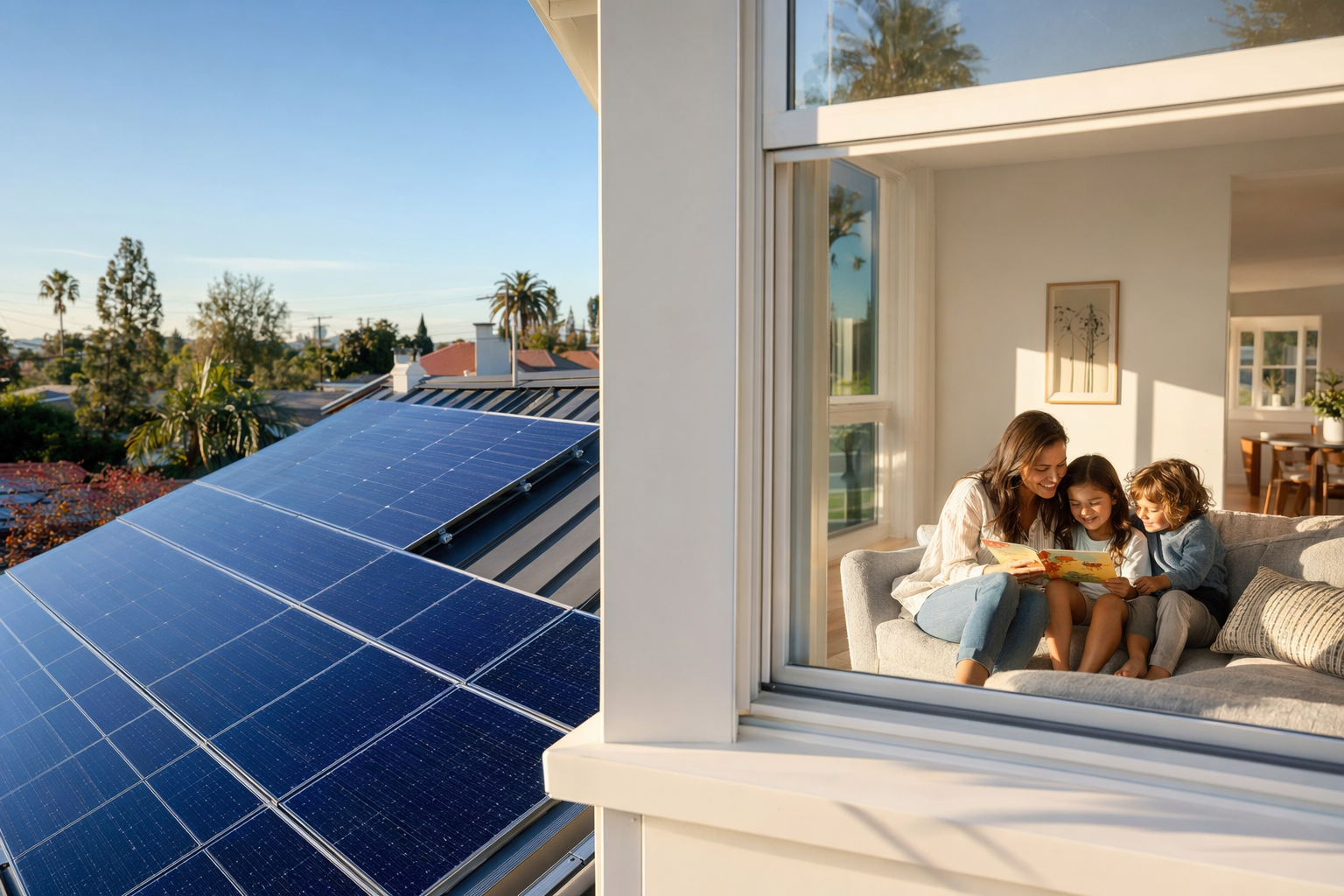
Quick answer: it depends on your goals
A solar lease (or PPA) may be a good fit if you want lower upfront cost and you don’t want to manage repairs or equipment yourself.
But if you want the lowest long-term cost, you usually get that by buying and owning solar. Leases and PPAs are often more about “easy entry” than “best overall price.”
Because results vary, the “right” choice depends on your budget, how long you plan to stay in your home, and how the contract is written.
How a solar lease or PPA usually works

With a lease or PPA, a provider typically installs solar panels on your home and you pay for the system through monthly payments.
A key trade-off is that the provider usually claims the federal tax credit, not the homeowner. That can help reduce your upfront cost, but it can also mean you may not capture as much long-term value as an ownership option.
Many contracts include details like:
- Monthly payment amount
- Annual payment escalators (payment increases over time)
- Length of contract (often 15–25 years)
- What happens if you sell your home
- Who pays for repairs and what “maintenance” covers
The big factors that decide if it’s “worth it”
Here are the most important numbers to compare. Don’t rely on marketing—ask for the full breakdown in writing.
- Your monthly payment vs. your utility bill today: Compare apples-to-apples, including how your utility plan changes over time.
- Escalators: If payments increase each year, your costs may catch up to (or surpass) your electricity cost. Ask how much the payment can rise and when.
- Your roof and site fit: Shading, roof age, and system size affect how much energy you can realistically generate.
- Contract terms: Look closely at transfer/sale rules, early termination, warranties, and what happens if the system underperforms.
- Local rules and incentives: Some states and utilities offer different incentives and protections, so the economics can look very different across the U.S.
Pros and cons of leasing solar
Leasing solar can offer clear benefits, especially for homeowners who want to keep cash for other needs.
Pros:
- Lower or no upfront cost in many cases
- You may not need to manage equipment maintenance (check the contract details)
- Predictable monthly budgeting can be helpful early on (until escalators kick in)
Cons:
- Monthly payments can rise with escalators, even if your utility rates change
- You may have less control than an ownership option
- Long contracts (often decades) can make moving more complex
- Savings are not guaranteed—your actual results depend on system performance and your utility rates
How to compare offers without getting stuck
If you’re considering a lease, try this simple checklist before you decide.
1. Get every number in writing: contract term, monthly payments, escalators, estimated production, and any fees.
2. Ask how savings are estimated. If they won’t show the math, pause.
3. Compare at least 2–3 offers from vetted local providers. Even the same home can get different terms depending on system design and contract structure.
4. Read for contract “gotchas.” Watch for clauses about underperformance, customer responsibilities, and sale/transfer steps.
If you want help comparing options, SunWise Lease is a free matching service that helps you get matched with vetted local solar providers and explore leasing, PPA, and ownership paths through guides and answers.
Where leasing may make sense (and where it may not)

Leasing is more likely to be worth it when:
- You want lower upfront cost and prefer monthly payments
- You expect to stay in your home long enough for the contract value to “settle in”
- You don’t want to handle repairs or equipment issues yourself (confirm in the contract)
Leasing may be less worth it when:
- You want the best long-term cost and can afford higher upfront costs
- You plan to move soon, and contract transfer/exit rules seem uncertain
- You’re uncomfortable with payment escalators or long contract commitments
When you’re deciding, it can help to also look at alternatives like buying/owning or other financing paths—see solutions.
Solar leasing can be worth it for some homeowners with low upfront cost, but whether you save depends on your contract terms (especially escalators) and your local utility and roof—compare offers and read everything before you sign.