Solar lease vs PPA: what's the difference?
A solar lease and a PPA both let you use solar with little or no upfront cost. The biggest difference is usually how you’re billed each month and how the contract handles the electricity you generate.
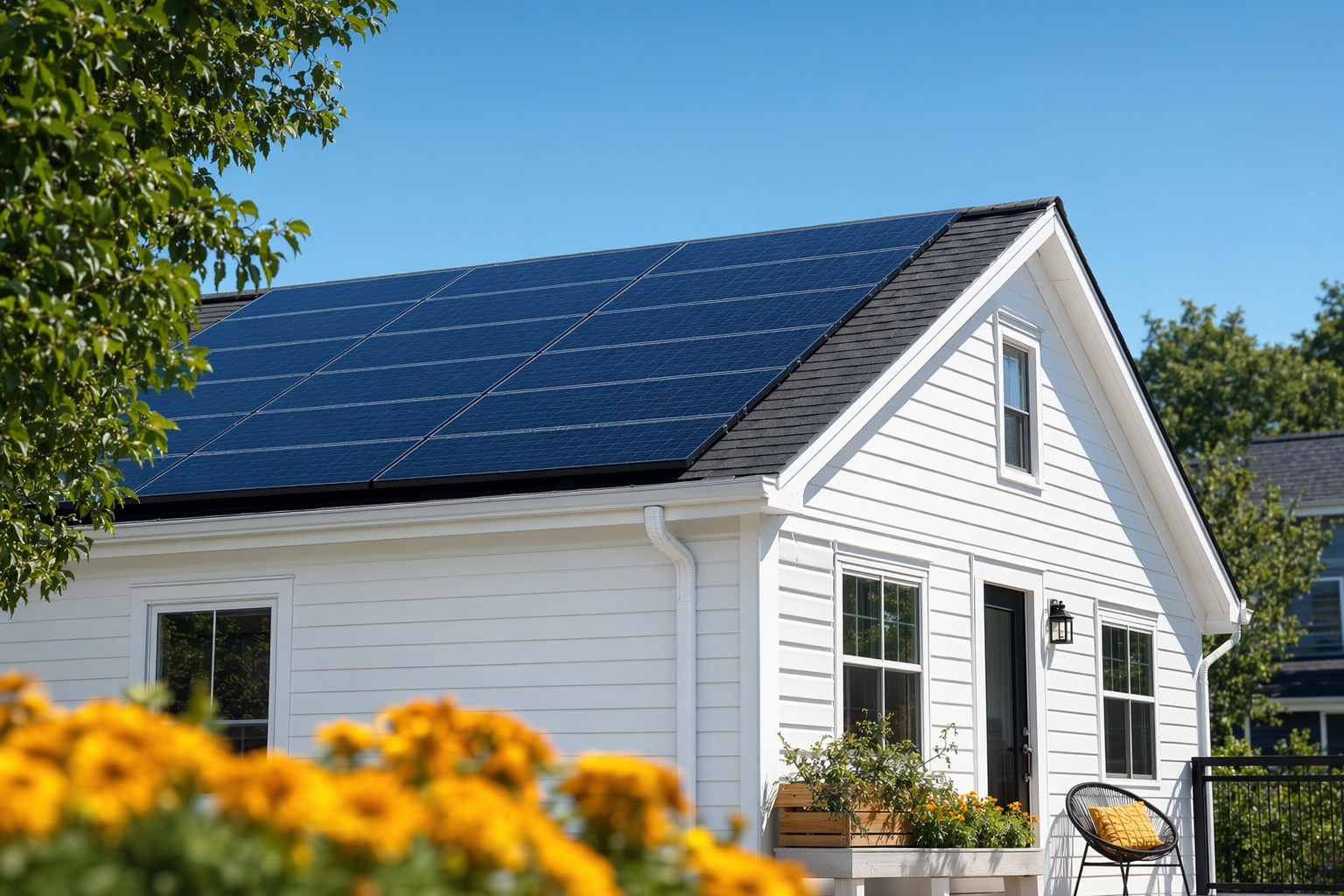
Quick definitions: solar lease vs PPA
A solar lease usually means you rent the solar system from a provider. You typically pay a fixed monthly amount (or a starting price that may increase over time).
A PPA (power purchase agreement) usually means you buy the electricity your solar panels produce. Your bill is based on the amount of solar electricity generated and the contract’s electricity rate.
Both options can help reduce upfront costs, but the details matter. Terms like contract length, price/escalators, and what happens if production is lower than expected can change the outcome for your home.
How you pay each month (the most important practical difference)

With a lease, you’re often paying for “having the system” (monthly lease payments). Even if your system makes less power than expected, your payment structure may not change the same way.
With a PPA, you’re usually paying for the electricity generated. If your system produces less (for example, due to weather or shading), your bill based on production can be different.
However, every contract is different. Some leases and PPAs include terms that adjust payments based on performance, system output, or changes in laws. That’s why you should look for the exact formulas and numbers in the contract—not just the marketing summary.
Who gets the federal tax credit? (common trade-off to understand)
In many solar lease and PPA deals, the provider (not the homeowner) claims the federal tax credit because the provider owns the system for tax purposes. This can be one reason homeowners may have lower upfront costs.
But that also means you may not see the full “benefit” the way you might if you owned the system outright. If you’re comparing offers, ask each provider what they own, who claims incentives, and how that is reflected in your payment terms.
Typical contract lengths and price/escalator issues
Solar lease and PPA contracts are often long—commonly around 15 to 25 years. During that time, payment terms can include escalators (annual increases) or adjustments.
- Leases may start with a lower payment and then increase each year.
- PPAs may use a solar electricity rate that can include increases over time.
Because escalators vary, the “monthly” number alone can be misleading. When possible, compare the total cost over the full term using the exact rate schedule shown in the contract.
What to check before you choose (read the numbers in writing)
Whether you’re considering a lease or a PPA, try to confirm these points in writing:
- Contract length and what “end of term” means.
- Payment details: fixed monthly vs production-based, and whether any escalator applies.
- Performance terms: what counts as “expected production,” and what happens if production is lower.
- Maintenance and repairs: who handles what, and how fast.
- Early termination / transfer: can you cancel or transfer the contract if you move?
- Roof and insurance: responsibilities if your roof needs repair or replacement.
For more structured comparisons, visit solar lease vs solar PPA basics and our answers library.
How SunWise Lease can help you compare options

SunWise Lease is a FREE service that helps US homeowners understand solar lease, PPA, and solar loan options and match you with vetted local solar providers. We’re not an installer, lessor, or financial advisor, and we don’t guarantee savings.
If you want, you can start with get matched with local providers. You’ll share general home and contact details so providers can explain offerings that fit your home and state.
After you receive offers, take your time. Never sign on the spot, and be cautious with high-pressure door-to-door or phone sales—some states regulate these practices. Read the full contract and make sure all pricing terms are clear.
A lease usually means you pay a monthly rent for the solar system, while a PPA usually means you pay for the electricity the panels produce—either way, compare the full contract terms, not just the first-month price.