What is a solar PPA?
A solar PPA is an agreement where a company installs solar on your home and you pay for the electricity the panels produce. It can mean little or no upfront cost, but the details matter and terms vary by provider, utility, and state.
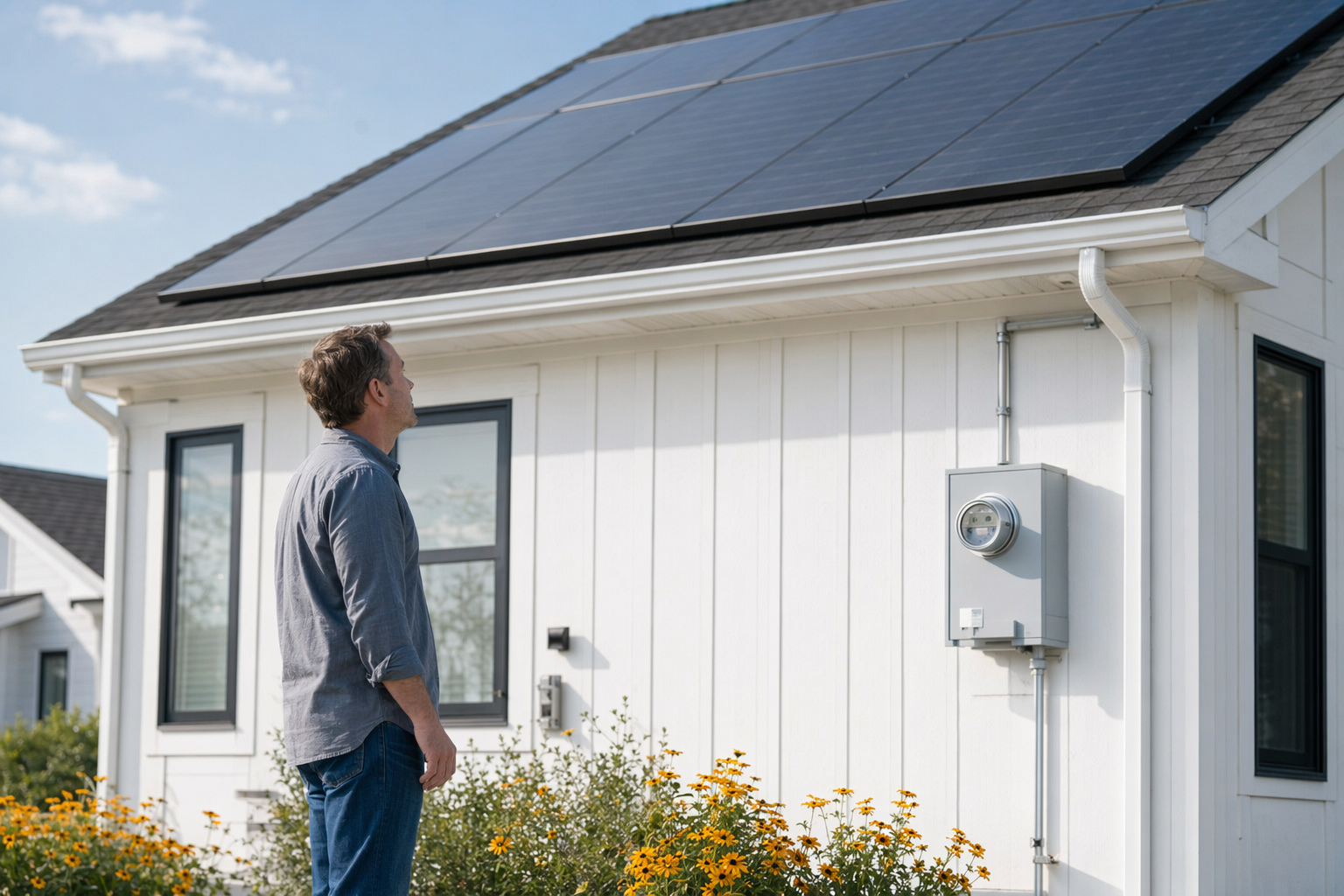
A simple definition
PPA stands for power purchase agreement. With a solar PPA, a solar company or finance company usually owns the panels on your roof. You do not buy the system. Instead, you agree to buy the solar electricity it produces for a set price per kilowatt-hour (kWh), often under a long contract.
Many PPAs are 10 to 25 years. Some offer a fixed price for the full term. Others include an escalator, which means your price can go up a little each year. That is one of the most important numbers to check before you sign.
A PPA is different from owning solar with cash or a loan. If you want a quick comparison, our solar options pages can help.
How a solar PPA works
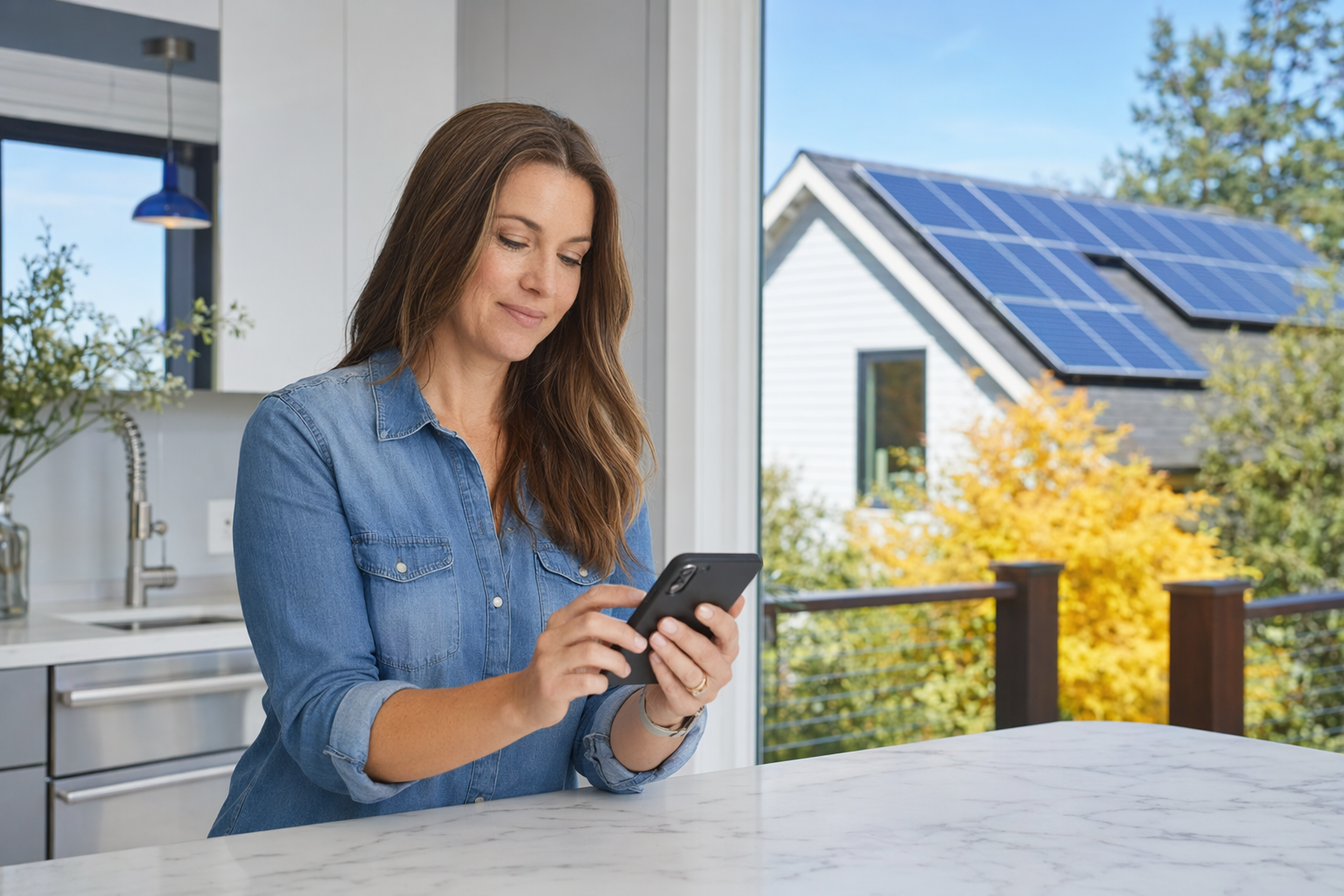
The provider usually designs, installs, owns, and maintains the solar system. Your home uses the electricity the panels produce first. If the system does not make enough power at certain times, you still buy extra electricity from your utility.
You are billed for the solar power generated under the PPA. That bill may be monthly, and your utility bill may still continue too. In many homes, the utility bill becomes smaller, but it does not always disappear.
The main idea is simple: you are buying power, not equipment. Because the provider usually owns the system, the provider — not the homeowner — typically claims the federal solar tax credit and other ownership-based benefits.
This setup can be attractive for homeowners who want low upfront cost and do not want to handle system maintenance themselves.
Why some homeowners choose a PPA
For many people, the biggest reason is low or no upfront cost. A PPA can make solar easier to start if paying cash is not realistic and a loan does not feel right.
Another reason is convenience. The provider often handles monitoring, repairs, and some equipment issues during the contract term. That can lower the amount of work the homeowner needs to do.
A PPA may also offer a solar rate that is lower than your current utility rate in some cases. But that is not guaranteed. Actual costs and possible savings vary by your roof, system size, utility prices, net metering rules, contract terms, and your state.
If you are still learning the basics, you may also want to browse more short solar answers and in-depth solar guides.
Trade-offs to understand before you sign
The biggest trade-off is ownership. With a PPA, you usually do not own the panels, so you usually do not get the federal tax credit. If long-term ownership benefits matter to you, a solar loan or cash purchase may be worth comparing.
Another big issue is the contract price. Some PPAs have a fixed rate. Others increase by about 1% to 3% per year, though terms vary. If your PPA rate rises faster than expected utility prices, your savings may be smaller than you hoped, or there may be little savings at all.
Home sale questions are important too. If you move, the buyer may need to take over the PPA, or the contract may need to be bought out or removed. This can be simple in some cases and harder in others. Always ask how a home sale is handled, and get that answer in writing.
Also ask what happens if the system underproduces, who pays for roof-related removal and reinstallation, what fees may apply, and whether there are early termination charges. These details can matter just as much as the advertised rate.
- Check whether the price is fixed or has an annual escalator
- Ask who gets the tax credit and incentives
- Ask how selling your home affects the contract
- Read maintenance, removal, and cancellation terms carefully
What to compare in a PPA offer
Do not focus on one number only. A low starting rate can look good, but the full contract tells the real story. Compare at least 2 to 3 offers if you can, and ask each provider to show the same key numbers.
Here are good questions to ask:
- What is the starting price per kWh?
- Is the rate fixed, or does it increase each year?
- How long is the contract?
- Who handles monitoring, repairs, and inverter replacement?
- What happens if I sell my home?
- Are there any cancellation, transfer, or buyout fees?
- What assumptions are used for estimated production and utility prices?
Never sign on the spot. Take the contract home, read the full terms, and get every promise in writing. Be extra careful with high-pressure door-to-door or phone sales. Some states have rules about these sales practices, but it is still smart to slow down and compare.
How SunWise Lease can help

SunWise Lease is a free matching service. We help US homeowners understand options like solar leases, PPAs, and solar loans, then connect you with vetted local solar providers so you can compare offers.
We are not a solar installer, lessor, or financial advisor, and we do not give financial advice. We share general educational information so you can ask better questions and make your own decision.
We only collect basic home and contact details so providers can prepare options for your property. We do not ask for Social Security numbers, bank account numbers, or credit-card numbers.
When you are ready, you can get matched to compare local options.
A solar PPA lets you pay for solar power from panels a provider owns on your roof, which can lower upfront cost but comes with a long contract you should compare carefully.