What does 'no money down solar' really mean?
“No money down solar” usually means you may be able to start with little or no upfront cash. It does not mean the system is free, and the monthly cost, contract terms, and long-term savings can still vary a lot.
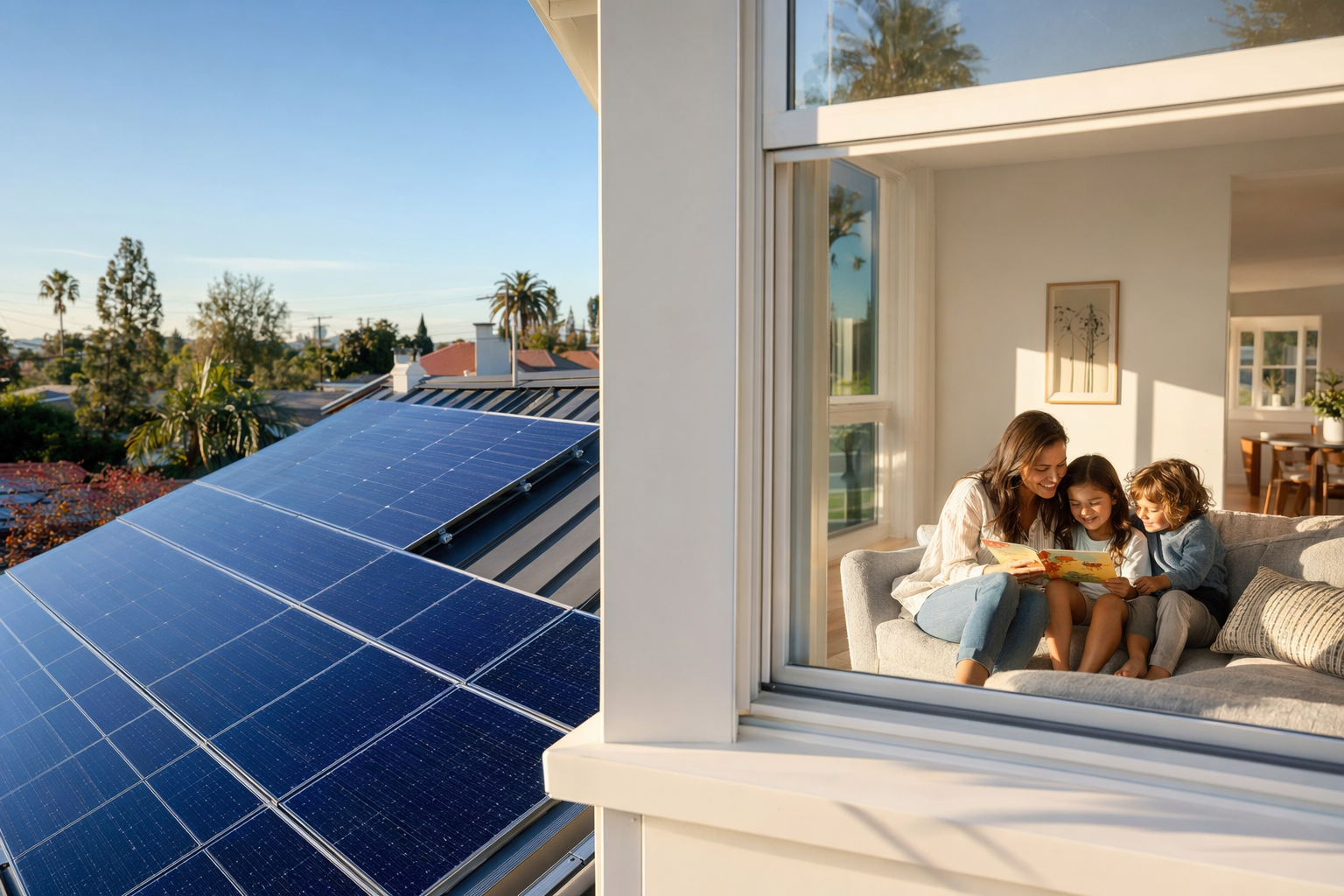
What “no money down” usually means
In plain English, “no money down” means you do not have to pay a large upfront price to get started. This is common in solar leases and PPAs, and sometimes in solar loans with special offers.
Instead of a big first payment, you may make monthly payments, or you may pay for the power the system produces. The details depend on the provider and the contract.
That can make solar feel more accessible, especially for homeowners who want to avoid a large upfront cost. But you still need to check the full numbers in writing.
The main trade-off

A low upfront cost can be helpful, but it is only one part of the picture. With a lease or PPA, the provider usually owns the system and usually claims the federal tax credit, not the homeowner.
With a loan, you may own the system while spreading out payments over time. That can mean more long-term benefit, but it may also require stronger credit and a bigger monthly commitment.
The best choice depends on your roof, your utility rates, your home plans, and the full contract terms. Rules and incentives also vary by state.
Watch for payment changes and contract terms
Some no-money-down offers include an escalator, which means payments can rise each year. Others may have fees for moving, buying out the contract, or ending early.
Before you sign, ask for every number in writing:
- Monthly payment or starting rate
- Whether payments can go up, and by how much
- Who gets the tax credit and any rebates
- What happens if you sell your home
- What it costs to cancel or buy out the contract
If a salesperson pressures you to sign right away, slow down. It is okay to say no, compare offers, and take time to read the full contract.
How to compare offers the smart way
Do not focus only on “no money down.” Compare the total cost over time, not just the first payment. Ask whether the estimate includes installation, maintenance, monitoring, and any annual price increases.
It also helps to compare several offers from vetted local providers. A good offer should explain the system size, expected production, payment terms, and what happens if your home changes or you move.
If you want help understanding your options, you can read more in our answers and guides, or use get matched to connect with vetted solar providers.
A simple rule of thumb

If “no money down” is the main reason an offer sounds good, pause and look deeper. Low upfront cost can be useful, but it should not hide higher long-term costs, limits on ownership, or hard-to-understand fees.
The safest path is to get everything in writing, compare multiple offers, and choose the option that fits your budget and plans. SunWise Lease is a free matching service that helps you find vetted solar providers, so you can compare options without feeling rushed.
“No money down” can help you start solar with little upfront cash, but you still need to compare the full contract, monthly costs, and long-term trade-offs.