Who owns the panels on a solar lease?
On a solar lease, the solar provider usually owns the panels and equipment, while you pay for the electricity or a monthly lease payment. The exact ownership details are spelled out in your contract and can vary by state and provider.
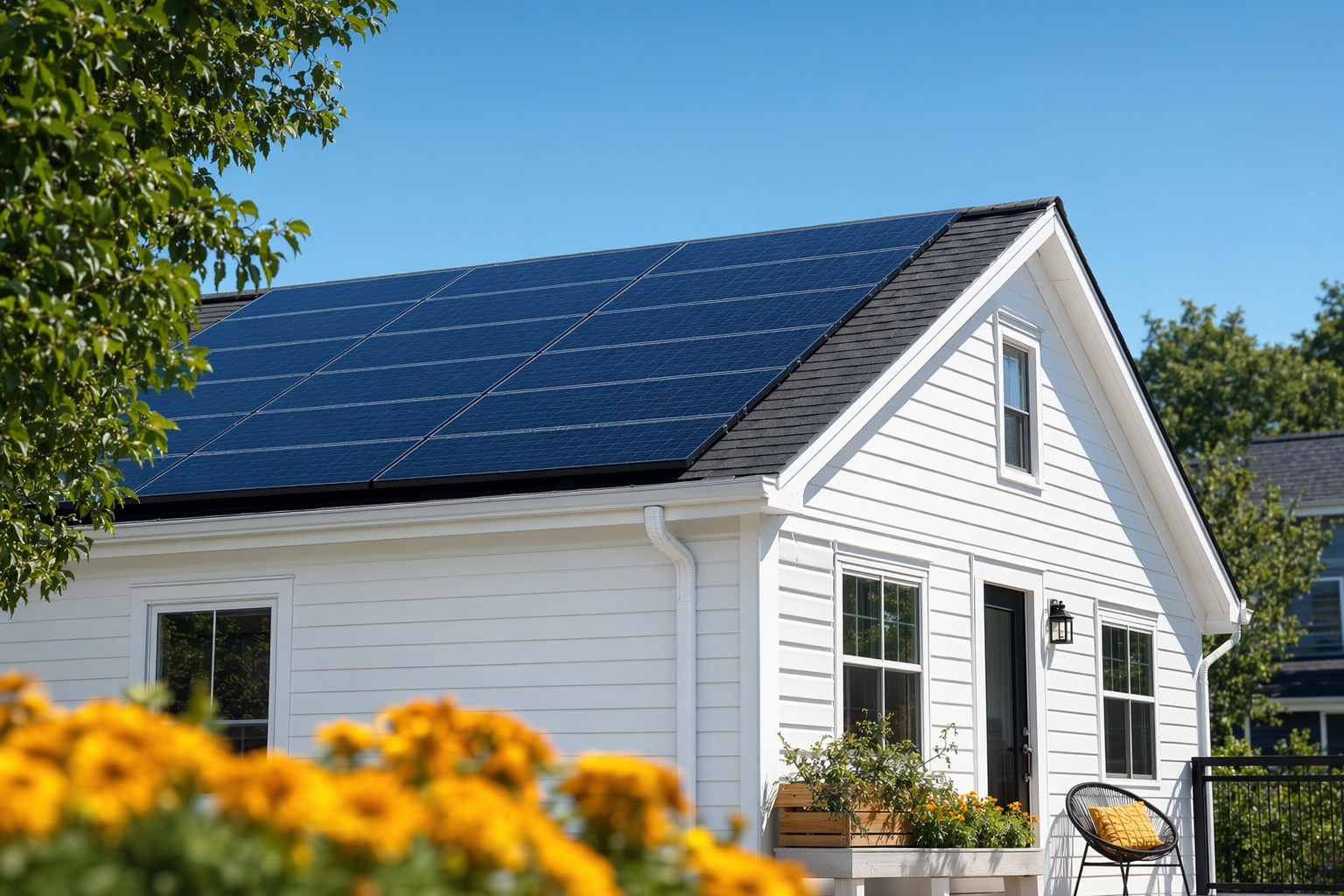
Quick answer: who owns the panels?
In most solar leases, the solar provider owns the panels (and often the inverter and related equipment) even though the system is installed on your roof.
You generally get to use the electricity the system produces, but ownership stays with the provider. That means they are typically responsible for owning the equipment—not you (though the agreement may still require you to keep the roof in good shape).
Because details vary, the only sure way to know is to check your contract terms for ownership, maintenance, and who replaces/repairs components.
Lease vs. PPA vs. loan: ownership can feel similar, but it matters
Solar options can sound alike, but ownership and tax-credit handling are different.
- Solar lease: You make monthly payments. The provider usually owns the system.
- PPA (power purchase agreement): You typically pay for the electricity produced. The provider usually owns the system.
- Solar loan / buying a system: You (or your lender) may own the system. You may see different financial and tax-credit outcomes.
If you’re comparing offers, ask each provider to show the exact ownership wording and how the contract handles repairs, roof changes, and the end of the agreement.
What to look for in your contract (important questions)
When you review a lease contract, look for clear answers to these points. They affect what you can do with your home and what happens if something goes wrong:
- Ownership: “Who owns the panels?” Look for the exact wording.
- Maintenance and repairs: Who pays for service calls and replacements? What’s your responsibility?
- Roof replacement: If you need a new roof, who coordinates the work and who pays for upgrades?
- End of term: What happens after the lease ends—removal, renewal, or a buyout option?
- Transfer/selling your home: Can the lease be transferred to a new homeowner, and what approvals or fees may apply?
If anything is unclear, ask for the answers in writing. Don’t sign on the spot, especially if you were contacted by phone or door-to-door—some areas have rules about these sales methods, and you should always take time to review.
Federal tax credit and who claims it
A key trade-off with many leases and PPAs is that the provider often claims the federal tax credit, not the homeowner. That’s one reason leases can have lower upfront costs.
This doesn’t automatically mean you will or won’t save money—solar savings vary a lot by your home, utility rates, system size, contract terms, and state rules. In some cases, contracts include price escalators (for example, yearly payment increases), which can affect costs over time.
To make a fair comparison, focus on the full contract numbers—not only the monthly payment. If the offer includes an escalator, ask for the payment schedule for the entire term.
Can you ever own the panels on a lease?
Some lease contracts include a buyout option at the end of the term. If you choose that option (or if your contract allows earlier purchase), you may gain ownership of the equipment at that time.
But you should treat end-of-lease buyouts carefully. Ask for:
- The buyout price or how it’s calculated
- Any conditions (system condition, performance requirements, transfer rules)
- Whether there are removal fees if you don’t buy the system
If your long-term goal is maximum ownership control, a lease may not match your needs. If your goal is lower upfront cost, a lease or PPA can still be worth exploring—just make sure you understand the ownership and payment structure.
How SunWise Lease can help you compare options
SunWise Lease is a FREE matching service that helps US homeowners understand solar leases, PPAs, and solar loans and find vetted local solar providers. We’re not an installer, lessor, or financial advisor, and we can’t promise savings.
If you want help comparing what providers offer in your area, you can start here: get matched.
For more educational guides, you can also browse: guides and answers.
On a solar lease, the solar provider usually owns the panels, and you pay for electricity or a monthly amount—your contract will spell out ownership, repairs, roof rules, and end-of-term options.