Solar lease vs PPA, compared
Solar leases and PPAs can both lower upfront costs, but they work in different ways. The best choice depends on your roof, your utility rates, and how comfortable you are with a long contract.
How they are different
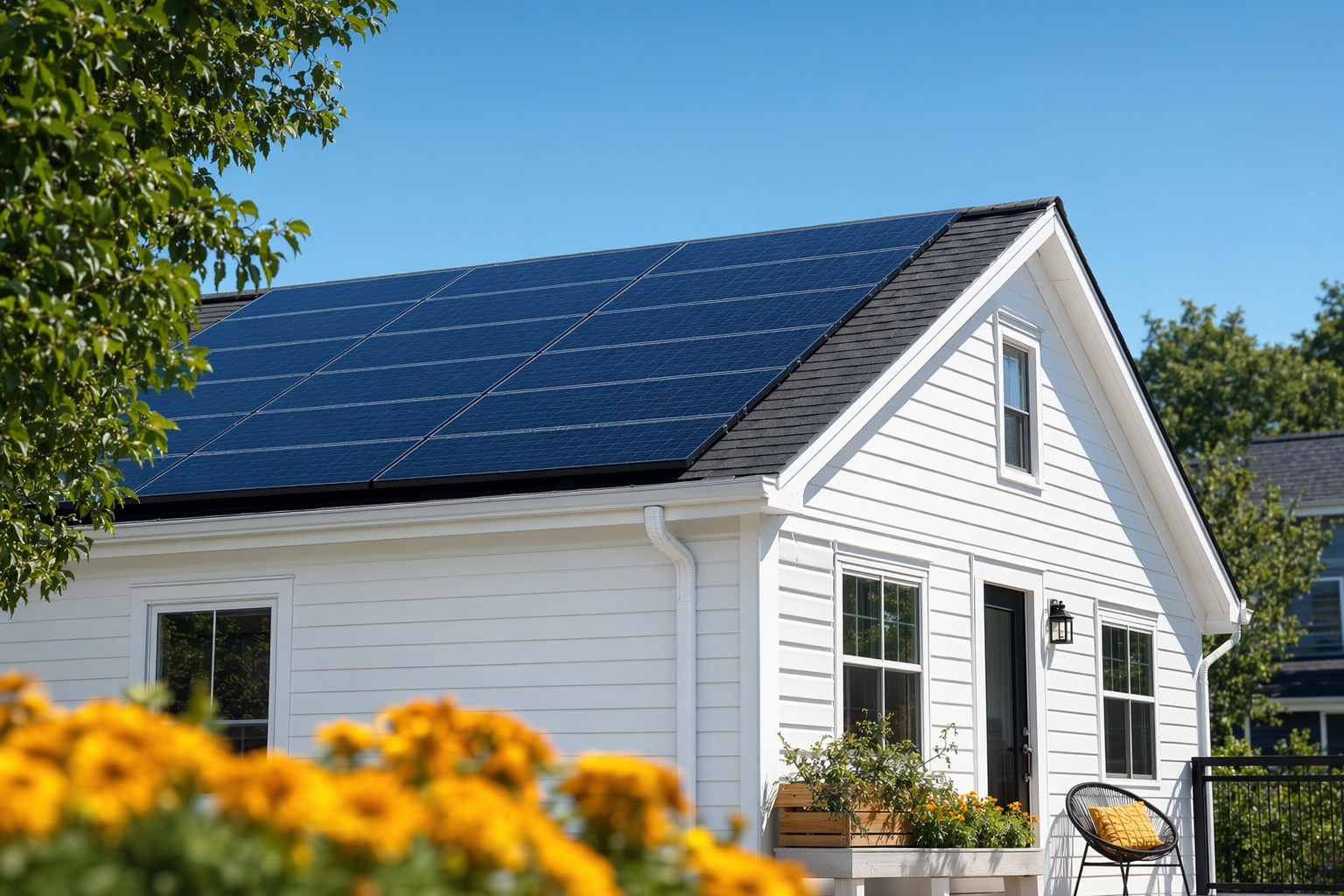
A solar lease usually means you pay a fixed monthly amount to use the solar equipment on your home. A power purchase agreement (PPA) usually means you pay for the electricity the system produces, often at a set price per kilowatt-hour.
In both cases, the solar provider owns the equipment. That means the homeowner usually has low or no upfront cost, but the provider—not the homeowner—typically claims the federal tax credit. Rules and contract details can vary by state and company.
If you want a broader overview of options, you can also visit our solar solutions page or go back to the comparison hub.
Cost: fixed payment vs. per-kWh rate
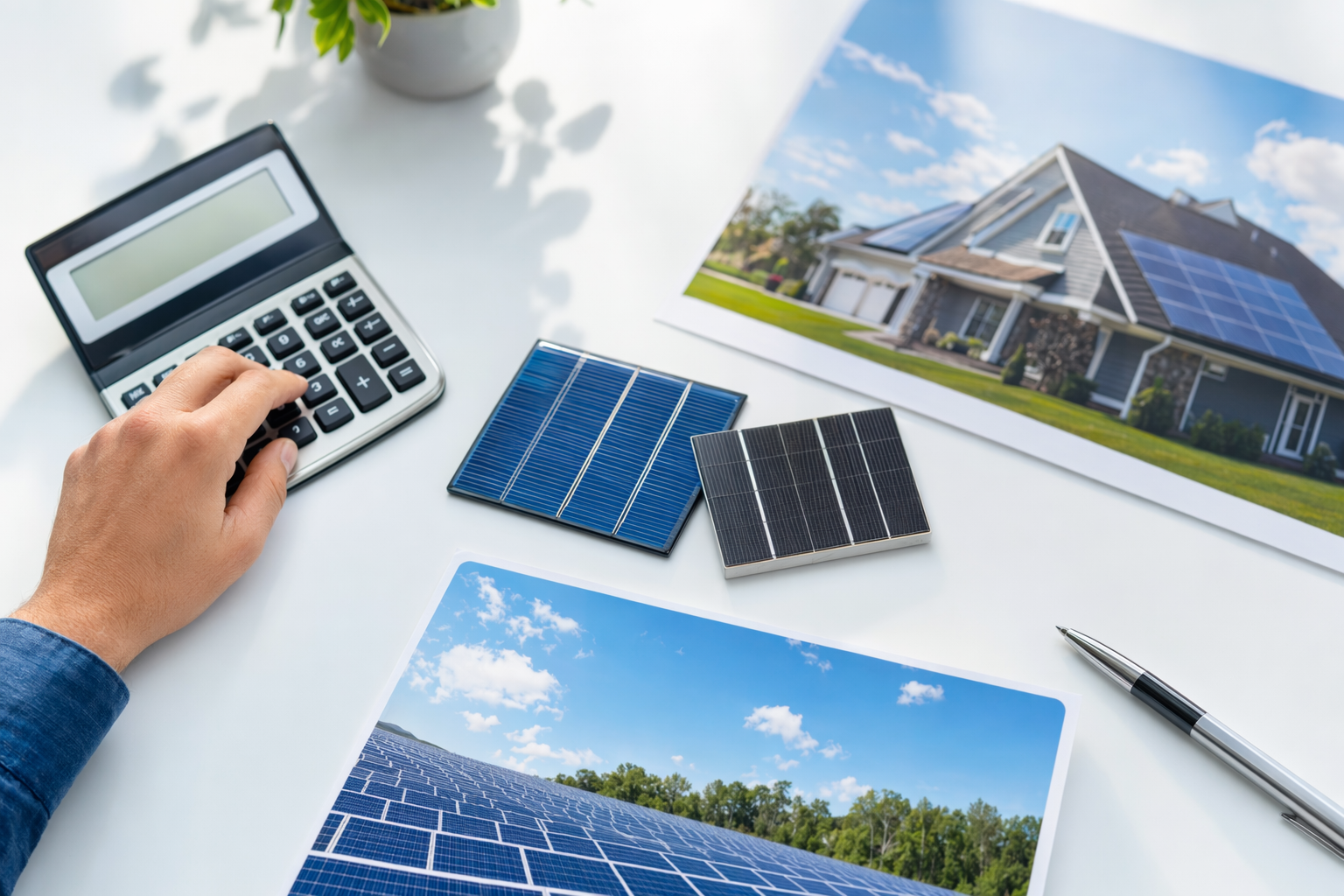
A lease can be simpler because the payment is often fixed. That can make monthly budgeting easier, but some contracts include escalators, which raise the payment over time.
A PPA can start with a lower per-kWh rate than your utility in some cases, but your monthly bill depends on how much electricity the system makes. If the system produces more in sunny months, your payment may change too.
Neither option guarantees savings. Your result depends on roof size, shade, system output, utility rates, contract terms, and local state rules. The only safe way to compare is to ask for a full written quote for each offer.
Ownership, tax credits, and long-term trade-offs
With both leases and PPAs, the provider usually owns and maintains the system. That can be helpful if you want less responsibility for repairs, but it also means the long-term financial upside is usually more limited than buying a system yourself.
If you buy with cash or use a solar loan, you may keep more of the long-term value, but you also take on more upfront cost and more ownership responsibility. That is why some homeowners compare lease, PPA, and loan offers side by side before deciding.
If you want help comparing vetted local providers, our free matching service can connect you with solar companies in your area. We are not an installer or lender, and we do not give financial advice.
When a lease may fit better
A lease may be a better fit if you want a predictable monthly bill and do not want to worry about how much each kilowatt-hour costs. Some homeowners like the simpler structure.
A lease can also make sense if the provider offers maintenance and performance support in the contract. Still, read the fine print. Ask who handles repairs, roof work, removal, and what happens if the system underperforms.
Before signing, make sure you understand whether the payment can rise over time, whether you can buy the system later, and what happens if you sell the home.
When a PPA may fit better
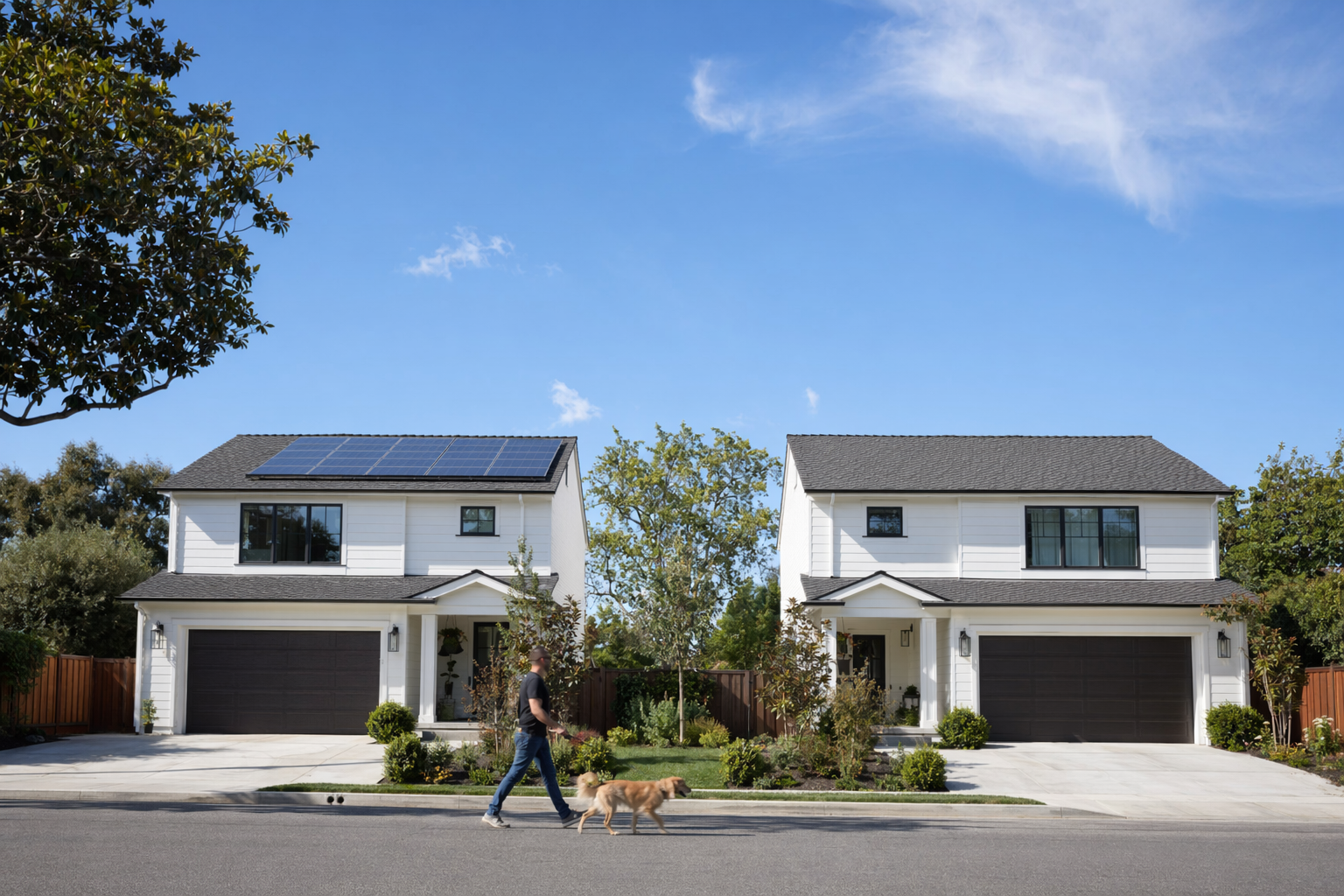
A PPA may appeal to homeowners who want to pay for the solar electricity they actually use rather than a fixed lease payment. In some homes, that can line up better with energy use patterns.
But a PPA can be harder to compare if the rate changes, if usage is seasonal, or if the contract includes annual increases. Ask for a simple side-by-side estimate of your utility bill and the PPA bill under normal, high, and low production months.
If you get a door-to-door or phone offer, take your time. Do not sign on the spot. Compare multiple quotes, ask for every number in writing, and read the whole contract before you decide.
A lease is usually a fixed monthly payment, while a PPA charges for the solar power your system makes, so compare real quotes and read the contract before you decide.