Solar leasing in Texas: what to know
Texas gives homeowners several ways to go solar, but leases and PPAs can look different here because utility rules and retail electric plans vary. This guide explains the basics so you can compare offers with more confidence.

Why Texas solar offers can feel different
Texas is unusual because many homeowners live in a deregulated electricity market. That means you may buy power from a retail electric provider, while your local utility still handles the poles, wires, and grid connection. In other parts of Texas, a municipal utility or electric cooperative may set different rules.
That matters for solar leasing because your bill savings, bill credits, and contract value can depend on where you live, which utility serves your home, and which electric plan you have. Two homes in the same city can see different results if they use different retail plans or have different roof conditions.
A solar lease usually means you pay a fixed monthly amount to use the system. A PPA usually means you pay for the electricity the system produces at a set price per kilowatt-hour. In both cases, the solar provider usually owns the equipment, and the provider — not the homeowner — usually claims the federal tax credit if available.
If you want a quick overview of your choices, see solar options or browse more homeowner guides.
How leases and PPAs usually work in Texas
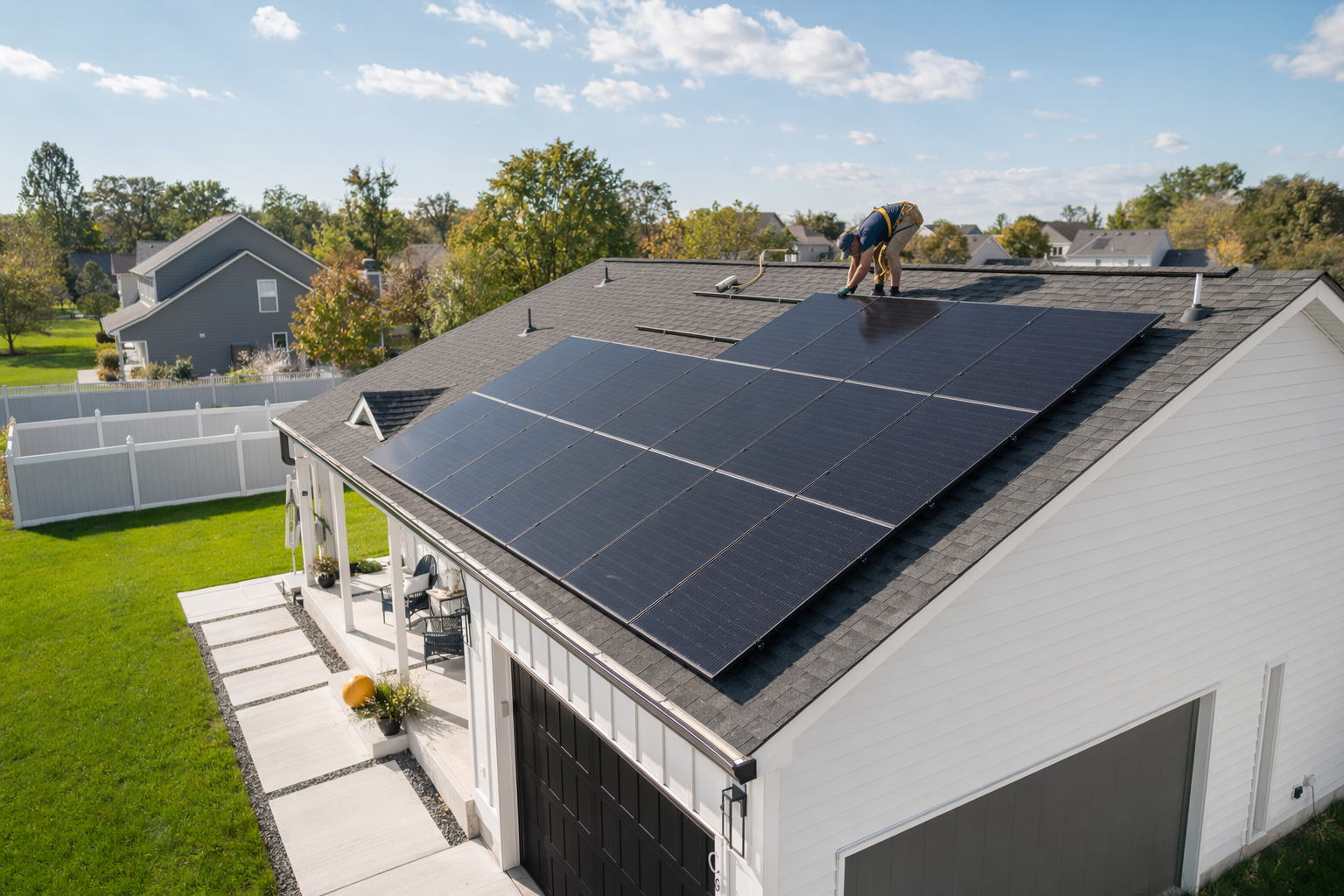
With a solar lease, you generally agree to a monthly payment for a set contract term, often around 15 to 25 years. Your payment may stay flat, or it may rise over time if the contract includes an escalator. A lower starting payment can look attractive, but a yearly increase can change the long-term cost.
With a PPA, you typically pay for the solar power the system makes. The contract may quote a price per kWh that is lower than your current utility rate, but that does not automatically mean lower bills every month. Your total cost still depends on system production, weather, your home's usage, utility charges, and the buyback or credit structure in your area.
In Texas, some companies focus more on loans or cash sales than on leases or PPAs, and availability can vary by provider and service area. In some parts of the state, a lease or PPA may be harder to find than in others.
Because offers vary, it helps to compare at least a few quotes side by side. Our free service can match you with vetted local solar providers so you can ask the same questions to each one.
The Texas issue many homeowners miss: your electric plan
In Texas, your solar contract is only part of the picture. You also need to understand how your utility or retail electric provider treats extra solar power sent to the grid. Some plans offer buyback credits. Some credit exported power at a different rate than what you pay to buy electricity. Some have monthly fees, limits, or changing terms.
This is important because many sales pitches focus on system production but say less about the electric plan. If your home exports a lot of midday power, the value of that export can affect your bill. A strong buyback plan can improve the math. A weak one can reduce the value of going solar.
Ask the provider to show their estimate using your current utility arrangement and, if relevant, your current retail electric plan. Then ask what happens if that plan changes later. In Texas, electric plans can change, expire, or be replaced, and future terms are not guaranteed.
For that reason, avoid any promise that your bill will "disappear" or that a lease will always beat your utility cost. Solar can help many Texas homeowners, but actual results vary by home, usage, contract terms, utility, and state and local rules.
What Texas homeowners should compare before signing
Before you sign a lease or PPA, get every number in writing. A clear proposal should show the estimated system size, expected annual production, monthly or per-kWh payment, annual escalator if any, contract length, monitoring, maintenance, warranty responsibilities, and what fees may apply.
Also ask about roof repairs, insurance, storm damage, and transfer rules if you sell your home. Texas weather matters. Hail, wind, and heat can all affect equipment and service timelines, so you want to know who is responsible for what.
Use this simple checklist when comparing offers:
1. Is this a lease, a PPA, or a loan?
2. Who owns the system?
3. Does the payment stay flat, or go up each year?
4. What happens if the system produces less than expected?
5. What buyback assumptions were used for your Texas utility or electric plan?
6. Who handles repairs, monitoring, and warranty claims?
7. What are the early buyout, cancellation, or transfer terms?
8. Are there dealer fees, monthly minimums, or extra utility charges not shown clearly?
Never sign on the spot, especially after a door-to-door visit or an unexpected phone call. Take time to review the full contract, compare multiple offers, and ask questions in plain language until the terms make sense.
Texas incentives and ownership trade-offs
Texas homeowners may hear about federal, state, local, utility, and property-tax benefits. But incentives vary by state, utility, and program availability, and some change over time. If you lease or use a PPA, the provider usually owns the system and usually claims the federal tax credit, not you.
That is one of the biggest trade-offs. Leases and PPAs can offer low or no upfront cost and may include maintenance. But because you do not usually own the system, you may have fewer long-term benefits than with a purchase or solar loan. On the other hand, buying often means more responsibility and higher upfront cost, even though ownership can provide more long-term value for some households.
Texas also has a property tax exemption for certain renewable energy improvements, but details can depend on your situation. Local utility rebates or special programs may exist in some areas and not others. Always verify current rules with the provider and the relevant utility or taxing authority.
If you want to compare leasing with other paths, visit our solutions page or explore more Texas and homeowner situations.
How to shop safely and get help in plain English

A good solar conversation should feel clear, not rushed. If a salesperson avoids direct answers about escalators, transfer rules, buyback assumptions, or total cost over time, that is a reason to slow down. You should never feel pushed to sign the same day.
Be especially careful with high-pressure door-to-door sales. Some states and local areas regulate these practices, and rules can differ. Ask for written terms, a copy of the full agreement, and time to review it with family or a trusted advisor.
SunWise Lease is a free matching service. We are not a solar installer, lessor, or financial advisor. We provide general educational information and help connect homeowners with vetted local solar providers so they can compare offers.
When you contact us, we only collect basic home and contact details so we can help with matching. We do not ask for Social Security numbers, bank account numbers, or credit-card numbers. If you are ready to compare options, you can get matched for free.
In Texas, a solar lease or PPA may help lower upfront costs, but your real results depend a lot on your utility and electric plan, so compare offers carefully and read the full contract.