How one family compared three solar offers before signing
This is an illustrative, anonymized story based on common homeowner questions. It shows how one family used SunWise Lease to compare a lease, a PPA, and a loan before choosing the option that fit their plans.
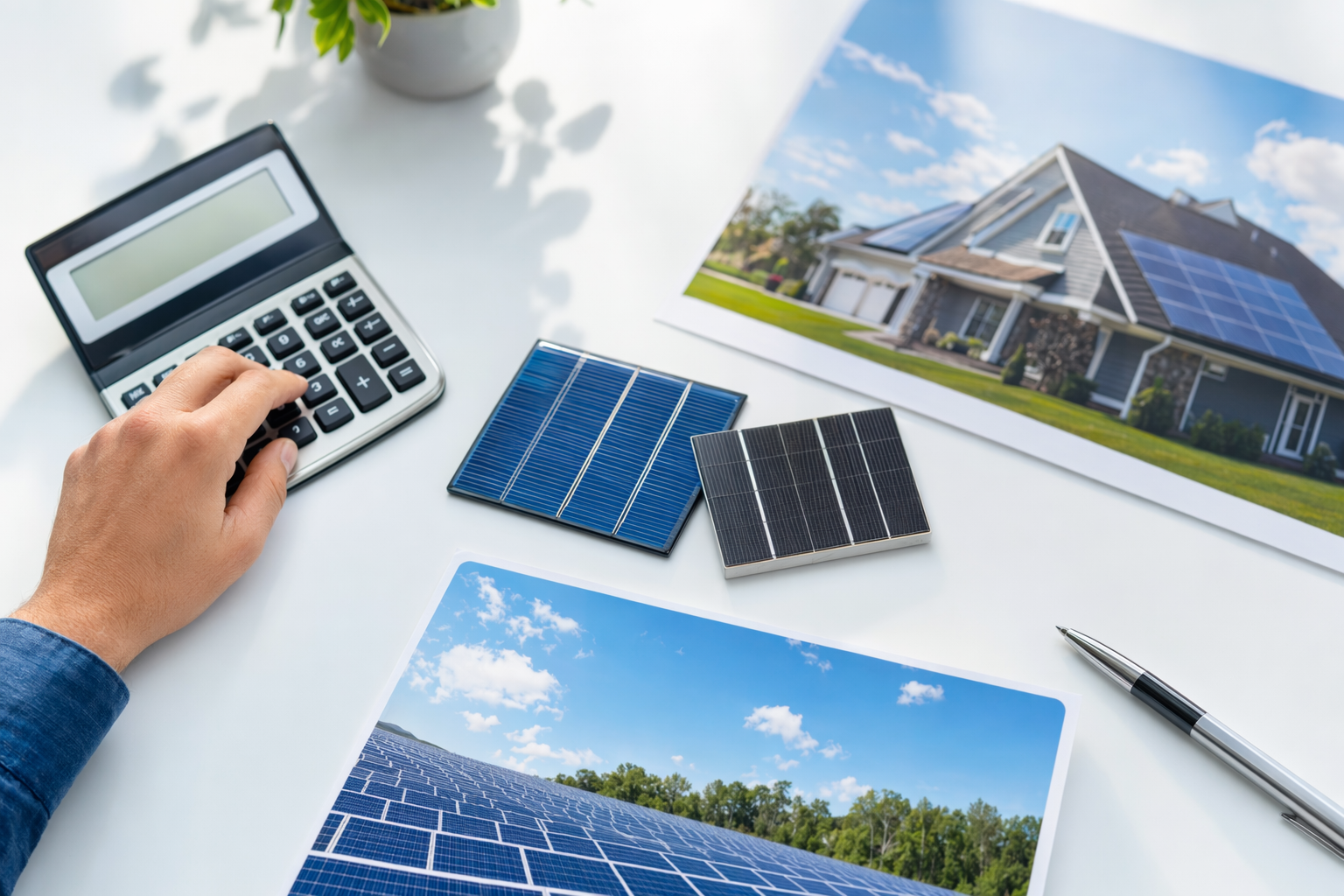
A simple goal: lower bills without rushing
A family in a sunny US suburb wanted to explore solar after seeing electric bills rise in summer. They planned to stay in the home for several years, but they were not sure they would keep the house for 20 years. They also wanted clear monthly numbers in plain language.
Like many homeowners, they had heard different sales pitches. One company pushed a lease. Another talked about a power purchase agreement, or PPA. A third focused on a solar loan. The family felt overwhelmed because each offer highlighted different benefits.
They used SunWise Lease as a free matching service to connect with vetted local solar providers. Our role was educational. We helped them line up offers side by side so they could compare the structure, not just the sales pitch.
The three offers they compared

The family asked each provider for the same basic information in writing: system size, estimated production, monthly payment, contract term, escalator if any, warranty details, what happens if they sell the home, and total estimated cost over time. That made the offers easier to compare.
Here is the simplified version of what they received:
- Solar lease: Low upfront cost, fixed monthly payment, 25-year term. The provider owned the system, handled monitoring, and usually claimed the federal tax credit.
- PPA: Low upfront cost, 25-year term, payment based on the solar power produced. This one included a small annual escalator, which could raise the rate over time.
- Solar loan: Higher monthly payment at first, but the family would own the system once the loan was paid off. They would be responsible for more of the long-term math, and eligibility for incentives would depend on their own tax situation and other factors.
At first glance, the lease and PPA looked easier because they required little or no money down. The loan looked more expensive each month in the early years. But over a longer timeline, ownership can sometimes mean lower total cost than a lease or PPA. That trade-off mattered to the family.
What they looked at beyond the monthly payment
The family almost picked the lowest advertised payment. Then they slowed down and looked at the full contract terms. That changed the conversation.
They noticed that the PPA had an escalator. A small yearly increase may not look like much, but over 20 to 25 years it can add up. They also learned that with the lease and PPA, the provider — not the homeowner — usually receives the federal solar tax credit because the provider owns the system.
For the loan, they asked what would happen if they sold the home in 7 to 10 years. Would the loan need to be paid off at closing? Could a buyer assume it? Would that depend on the lender and the buyer's approval? They got those answers in writing.
They also compared estimated production carefully. One provider showed higher projected output than the others. Instead of assuming that offer was better, the family asked why. The answer came down to panel layout and assumptions about shade. That helped them understand that projections can vary by roof shape, sun exposure, equipment, and modeling methods.
The questions that helped them feel confident
Using our guide, the family came prepared with practical questions from What to ask a solar provider. They did not focus only on "How much will I save?" because savings can vary by utility rates, home energy use, system performance, contract terms, and local rules.
Instead, they asked:
- Is the payment fixed, or does it go up each year?
- Who owns the system?
- Who gets the tax credit and other incentives?
- What happens if production is lower than estimated?
- What are the maintenance and warranty responsibilities?
- What happens if we move before the contract ends?
- Are there fees to transfer, buy out, or remove the system?
They also asked each provider not to rush them. One salesperson pushed for a same-day signature. The family declined and took more time. That pause helped them spot contract details they had missed on the first read. No homeowner should feel pressured to sign on the spot.
What they chose, and why

In this illustrative scenario, the family chose the lease. That does not mean a lease is best for everyone. It was simply the option that matched their comfort level and timeline.
They liked the low upfront cost, the predictable payment, and the fact that the provider would handle system monitoring and most maintenance. They accepted the trade-off that they would not own the system and likely would not receive the federal tax credit directly. They also compared the transfer terms carefully because they might move before the full contract term ended.
If they had planned to stay in the home much longer and were comfortable with higher early payments, they might have leaned toward the loan instead. If the PPA had come with stronger long-term pricing and no escalator, that option might also have stayed in the running. The key lesson was not "pick a lease." The lesson was compare the real numbers and the real obligations, side by side.
If you are just getting started, you can get matched with vetted local providers and review multiple offers at your own pace. You can also read more homeowner stories to see how different families weigh different trade-offs.
- Low upfront cost can be helpful, but contract details matter.
- Ownership may offer more long-term value, but it often comes with more responsibility.
- The best fit depends on your timeline, budget, roof, utility, and state.
This story shows how one family compared a lease, a PPA, and a loan side by side and chose the option that fit their plans best.