How reading the contract in their own language changed a decision
This is an illustrative, anonymized story about a family who felt unsure about solar lease “escalators.” By reviewing the contract in their own language, they asked better questions and renegotiated—before signing.
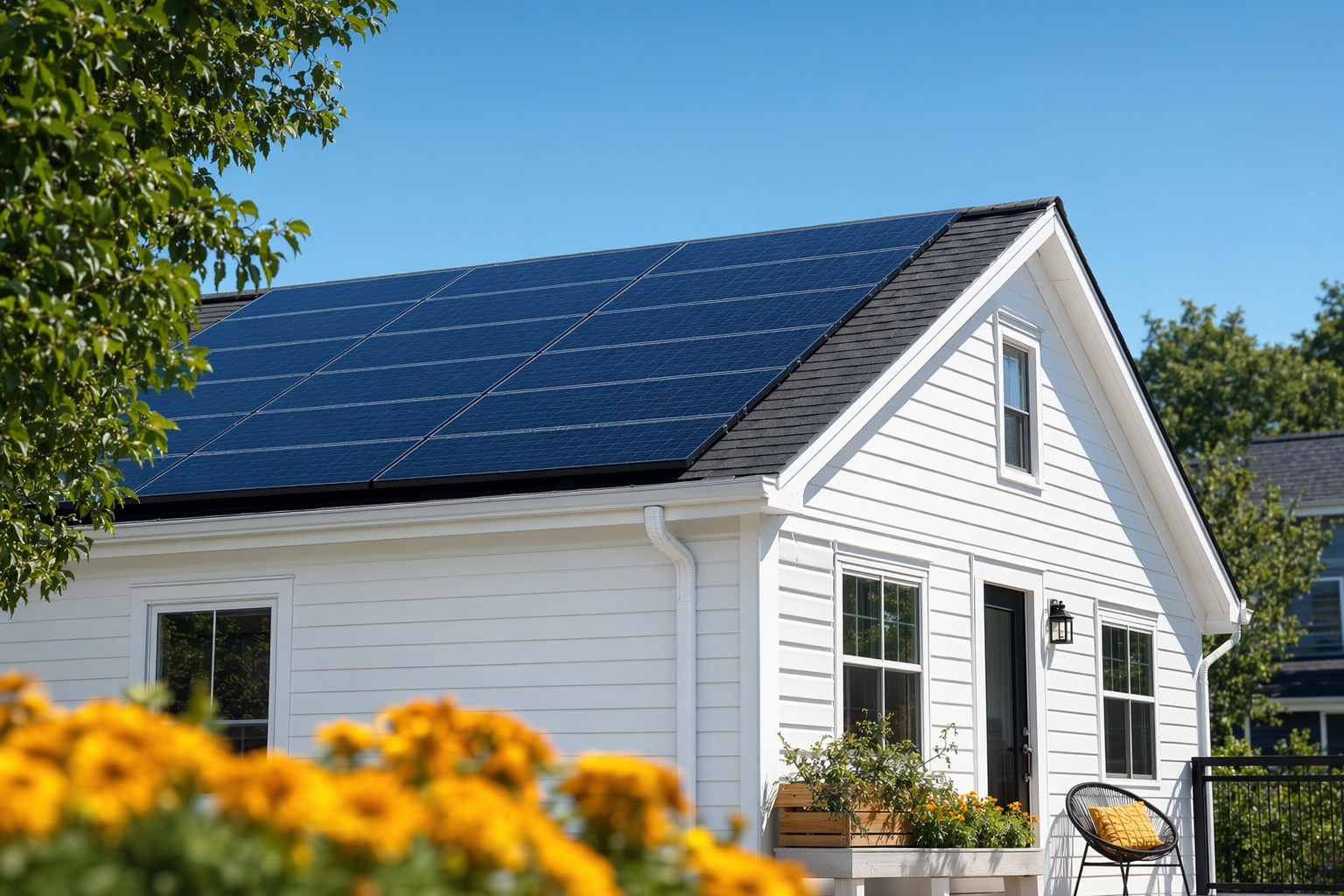
An illustrative story: a solar lease question that changed everything
A family in the US wanted to lower their energy bills, but they also needed clear, plain answers. They were especially concerned about the price rising over time—what many contracts call an escalator.
They reached out to SunWise Lease, a FREE matching service that helps homeowners understand common solar options and connect with vetted local providers. We’re not an installer or lessor, and we don’t provide financial advice. We help you find providers and understand what to ask.
In this story, the first proposal was a solar lease. The numbers looked simple at a glance, but the contract terms felt unclear—especially the year-by-year payment increases. The family didn’t want to guess.
So they asked the provider for time to review the lease agreement in their preferred language and asked for every key number in writing. That request—plus a careful contract read—led to a different decision process.
What “escalator” can mean in a lease contract (and why it matters)

In many solar lease or PPA contracts, payments can be structured to increase each year. The increase might be tied to a fixed percentage (for example, 1–3% annually) or another formula. The exact wording matters.
The family noticed something important when they read the contract carefully: the escalator wasn’t just a small detail. It affected how much they would pay over the life of the contract—and how the payment compares with their current utility costs over time.
They also learned that different parts of the lease can change, such as:
- Monthly payment amount after the first year
- Whether and how changes apply to taxes, fees, or true-ups (terms vary)
- How the contract describes savings or bill offsets (often phrased as estimates)
Solar can sometimes help reduce electric costs, but savings vary widely by home, utility rates, system size, and contract terms. There are no guarantees. Reading the contract helps you see what is and isn’t promised.
The language change: turning confusion into specific questions
When the family asked to review the lease in their own language, they weren’t trying to “find loopholes.” They wanted clarity. They focused on the parts that decide risk and cost: payment schedule, escalator wording, term length, and what happens if circumstances change.
They asked for a simple, written summary alongside the full contract, including:
- The escalator rate and when it starts
- The total projected payment range over the contract term (based on the contract’s formula)
- Any conditions that could change payments beyond the escalator
- The provider’s explanation of estimated bill savings, and what the estimates are based on
At this point, their decision changed from “Should we sign?” to “Do we fully understand the moving parts?” They also compared the lease details with other approaches, like solar loans or buying ownership, which usually require more upfront cost but may be structured differently.
Renegotiating before signing: small changes, big impact
After reading the contract in their own language, the family went back with the specific items they didn’t like. Instead of accepting the proposal as-is, they requested revisions and clearer language.
In many real situations, outcomes can look like this (varies by provider and state):
- Clarifying the escalator clause in plain language
- Adjusting the escalator terms where possible
- Confirming exactly what costs are included in the monthly payment
- Getting every change documented in writing
This step was crucial because signing locks you into contract terms for years. Even if the monthly payment looks manageable at the start, the long-term cost pattern can be very different when escalators apply.
If you’re considering a lease or PPA, it can help to use What to ask a solar provider as a checklist. And if you want help comparing options with vetted local providers, you can start with get matched.
What you can take from this story (practical checklist)

This is an illustrative story, not a guarantee for how any offer will go. But the approach is something many homeowners can use.
Before signing any solar contract, consider:
- Read the full contract (not just a one-page summary)
- Ask for the payment schedule and escalator terms in writing
- Confirm who claims the federal tax credit under the contract terms (in leases/PPAs, the provider often claims it, but wording matters)
- Compare at least two offers if you can, and ask how each one handles escalators
- Don’t sign under pressure. If a salesperson insists you decide immediately, pause and get everything in writing
Solar rules and incentives vary by state and utility, and savings depend on many home-specific factors. The best goal is not “fast signing.” The best goal is informed choice.
A family asked to review a solar lease contract in their own language, clarified the escalator terms, and renegotiated before signing—showing why reading the full deal matters.