Estimate your solar savings range
Use this free worksheet to estimate a realistic monthly solar savings range from your electric bill and home basics. It helps you compare lease, PPA, and loan options without treating any quote as a promise.
What this estimator helps you do
This worksheet is a simple place to start if you want to understand whether solar might lower your monthly electric costs. It does not promise savings. Instead, it helps you make a rough estimate based on your current bill, your roof, and the type of solar option you are considering.
You can use it to think through a lease, a power purchase agreement (PPA), or a solar loan. Each option works differently. Leases and PPAs often have low or no upfront cost, while buying with a loan may offer more long-term savings but can require higher monthly payments at first.
The numbers you see are only a starting point. Your real savings can vary by home, roof condition, shade, utility rates, system size, contract terms, and your state. Use the worksheet to ask better questions, not to make a final decision on the spot.
How to use the worksheet

Gather a recent electric bill, then write down your average monthly payment and how many kilowatt-hours you use if it is listed. If your bill changes a lot by season, use several months and estimate a range instead of one exact number.
Next, note basic home details like roof age, roof shape, shading, and whether you own your home. These details can affect what solar options you may qualify for and how much a provider may quote you.
Then compare the worksheet’s estimate with at least two or three offers from vetted providers. Ask each provider to give every important number in writing, including monthly payment, any yearly increase or escalator, contract length, fees, maintenance terms, and what happens if you move.
What to look at before you sign
A low upfront price is not the whole story. In a lease or PPA, the provider usually owns the system and usually claims the federal tax credit. In a loan or purchase, you may own the system and may keep more of the long-term value, but you may also have more responsibility and a higher upfront cost.
Read the full contract before you sign. Look for payment changes over time, production estimates, early termination fees, roof repair rules, transfer terms if you sell your home, and who handles service or repairs.
If someone pressures you to sign right away, slow down. Door-to-door and phone sales can be high-pressure in some places, and rules vary by state. A good provider should give you time to compare offers and ask questions.
Who this page is for
This estimator is helpful if you are new to solar, new to the U.S. system, or simply want plain-language help before talking with providers. It is made for homeowners who want to understand the basics without feeling rushed.
We are a free matching service. We do not install solar, lease solar equipment, or give financial advice. Our role is to help you learn the differences and connect you with vetted local solar providers so you can compare options.
If you want more general guidance first, you can browse our solar guides or explore other tools. When you are ready, we can help you find providers in your area.
Good questions to ask providers
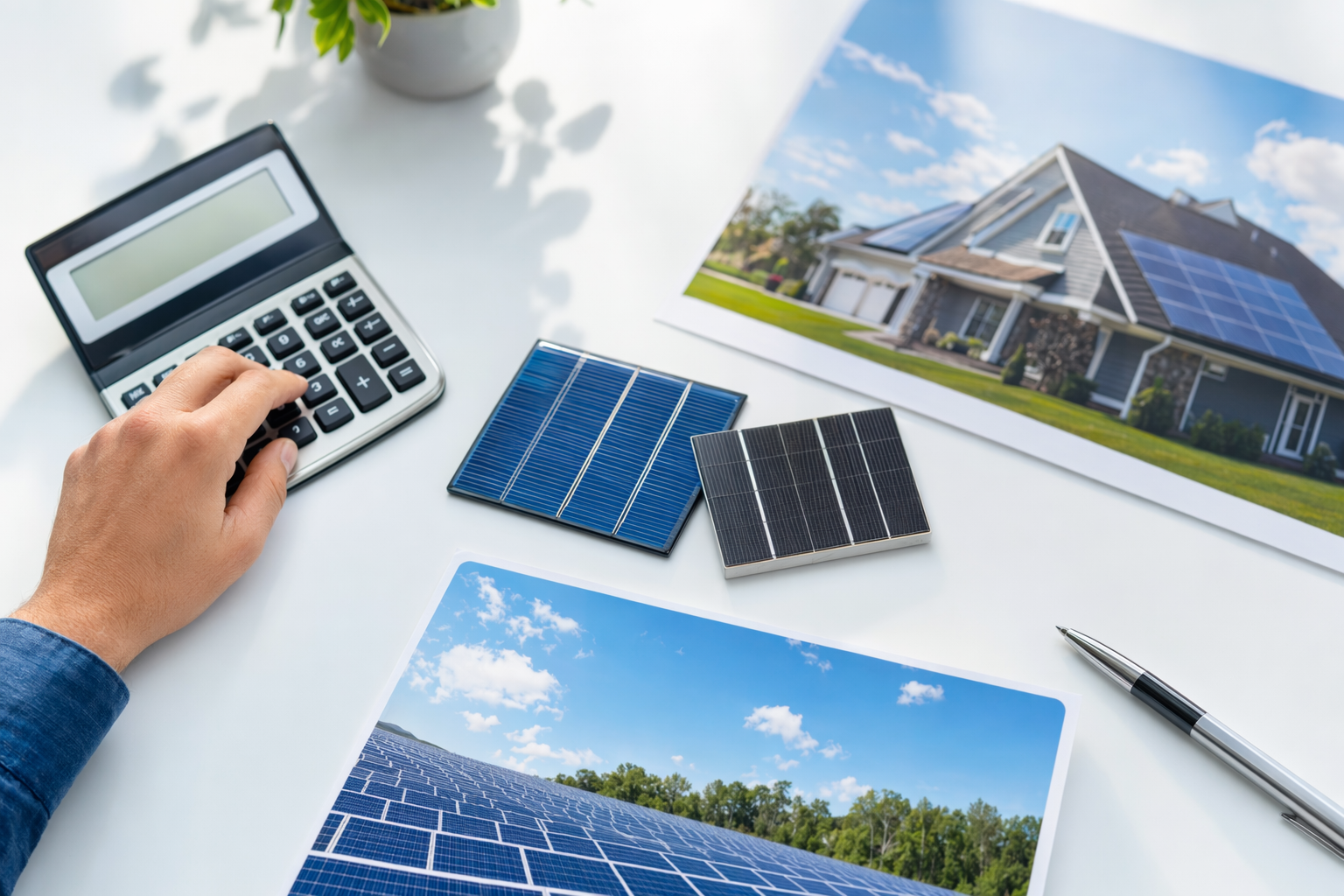
Use your worksheet as a checklist when you talk to solar companies. Ask them to explain the numbers slowly and in plain words.
- What is the estimated monthly payment, and can it change over time?
- Is there an escalator, and how much does it increase each year?
- Who owns the system, and who gets the tax credit?
- What happens if the panels produce less than expected?
- What fees, penalties, or transfer costs could apply?
- Who handles repairs, maintenance, and roof issues?
- Can I see the full contract before I decide?
If the answers are vague, ask again. Clear written details make it easier to compare offers fairly.
This free worksheet helps you estimate a solar savings range from your bill so you can compare offers, read the contract carefully, and decide at your own pace.