Can renters get solar panels?
In many cases, renters can’t directly put solar panels on their roof, but they may have solar options depending on their landlord, utility, and state rules. Here’s what’s possible and what to ask.
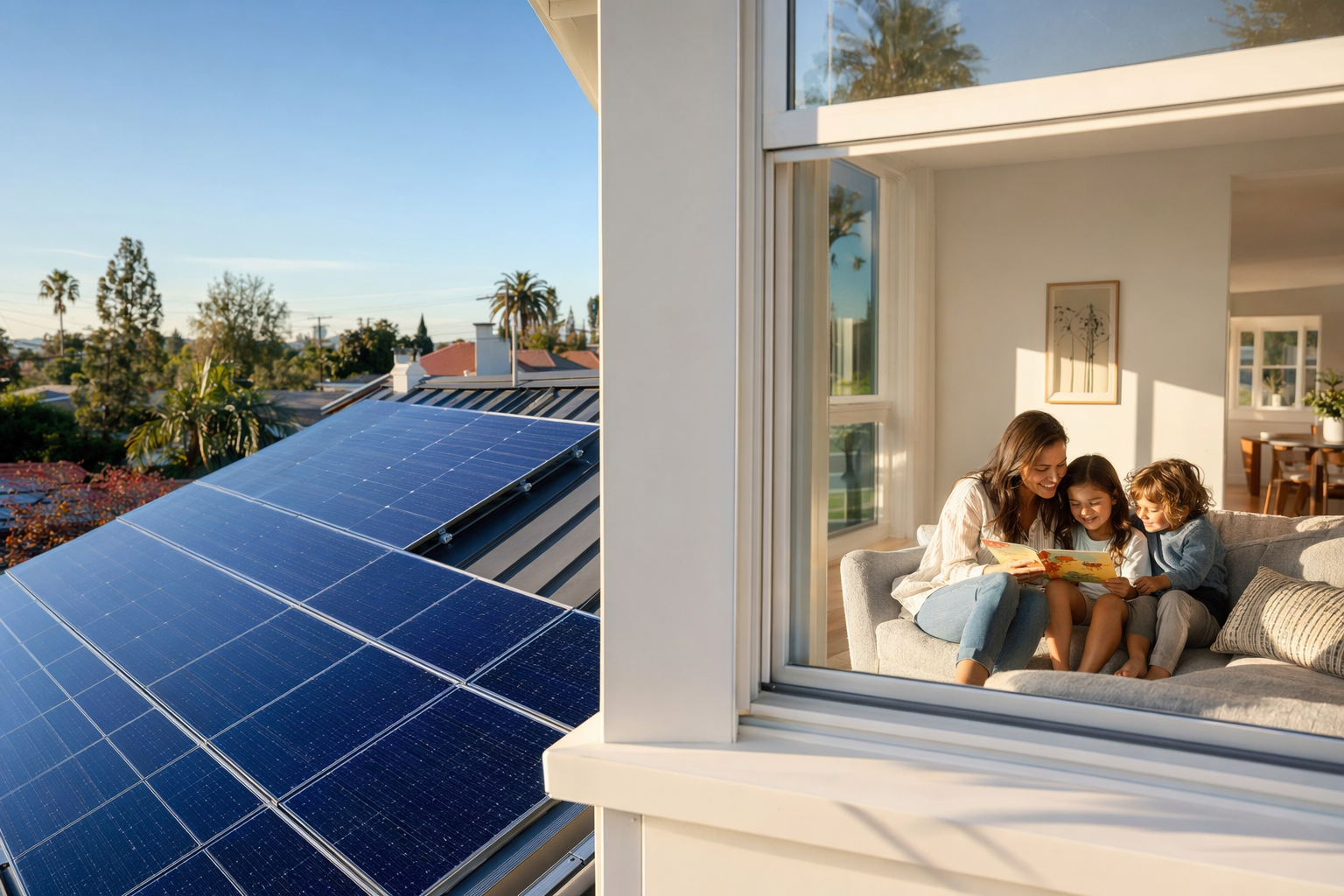
Short answer: usually no roof panels for renters — but options may exist
Most apartment renters can’t install solar panels themselves because they don’t own the roof and most leases don’t allow changes to the building.
But you may still be able to access solar benefits in other ways. The exact options depend on your home type (single-family vs. apartment/condo), who owns the property, and local utility rules.
If you’re curious, start by checking your lease and asking your landlord what (if any) solar options are allowed. You can also explore homeowner vs. renter-friendly programs through your utility—rules vary widely by state.
If you rent a house: ask your landlord first
If you rent a single-family home, the decision usually belongs to the property owner. Solar may be possible if the landlord agrees to one of the common contract types.
Typical paths include:
- The landlord signs a solar lease or PPA (often lower or no upfront cost for the owner). The provider usually manages system setup and claims federal tax benefits, and payments can change over time.
- The landlord buys/owns the system, which may offer the most long-term value—but it usually requires more upfront cost.
Key question to ask: If the property owner installs solar, will any savings appear in your rent or utility bill, and for how long? Get any agreement in writing.
If you live in an apartment or condo: options may be limited
For apartments, solar is commonly installed at the building level, often by the owner or the building management. Renters typically don’t control the contract terms.
That said, some buildings may pass along solar benefits through:
- Credits or reduced charges included in rent, or
- Changes to how utilities are billed (for example, common-area or tenant billing rules).
If you’re in a condo, the homeowners association (HOA) may make decisions about rooftop projects. Ask who has approval power and whether tenants receive any benefit.
Understand contract trade-offs (so you know what to ask for)
Even if you can’t sign the solar agreement as a renter, learning the basics helps you ask better questions.
- Solar lease / PPA: Often lower upfront cost for the property owner. Payments usually have terms and may include escalators (payments can rise over time). The provider often claims the federal tax credit.
- Solar loan / buying: The system is financed or owned by someone (usually the property owner). This can offer different long-term outcomes, but it often requires more upfront money.
Because savings aren’t guaranteed, the best approach is to compare the proposal using the same numbers your utility and contract show: estimated production, payment amounts, billing rules, and how any benefit is shared.
How SunWise Lease can help you explore solar options

SunWise Lease is a free matching service that helps US homeowners understand solar options (lease, PPA, and solar loan) and get connected with vetted local solar providers.
If you’re a renter, you can still use this to understand what homeowners typically receive and what questions to ask your landlord. If your situation is eligible and a provider can discuss it, we can help connect you with local pros.
Next steps:
1. Review your lease for solar/roof restrictions.
2. Ask your landlord whether they’re open to a lease, PPA, or other solar arrangement.
3. If you want, start here: Get matched with vetted solar providers.
And always: don’t sign anything on the spot. Read the full contract, make sure every number is in writing, and compare offers.
Renters usually can’t install solar on their own, but solar may still be possible through your landlord or building—ask about billing credits and contract terms, and compare options carefully.