Do solar leases include maintenance and repairs?
Usually, yes — many solar leases include monitoring, routine maintenance, and repairs for the leased equipment. But the exact terms vary, so it is important to read the contract and ask what is covered, what is excluded, and how service requests work.
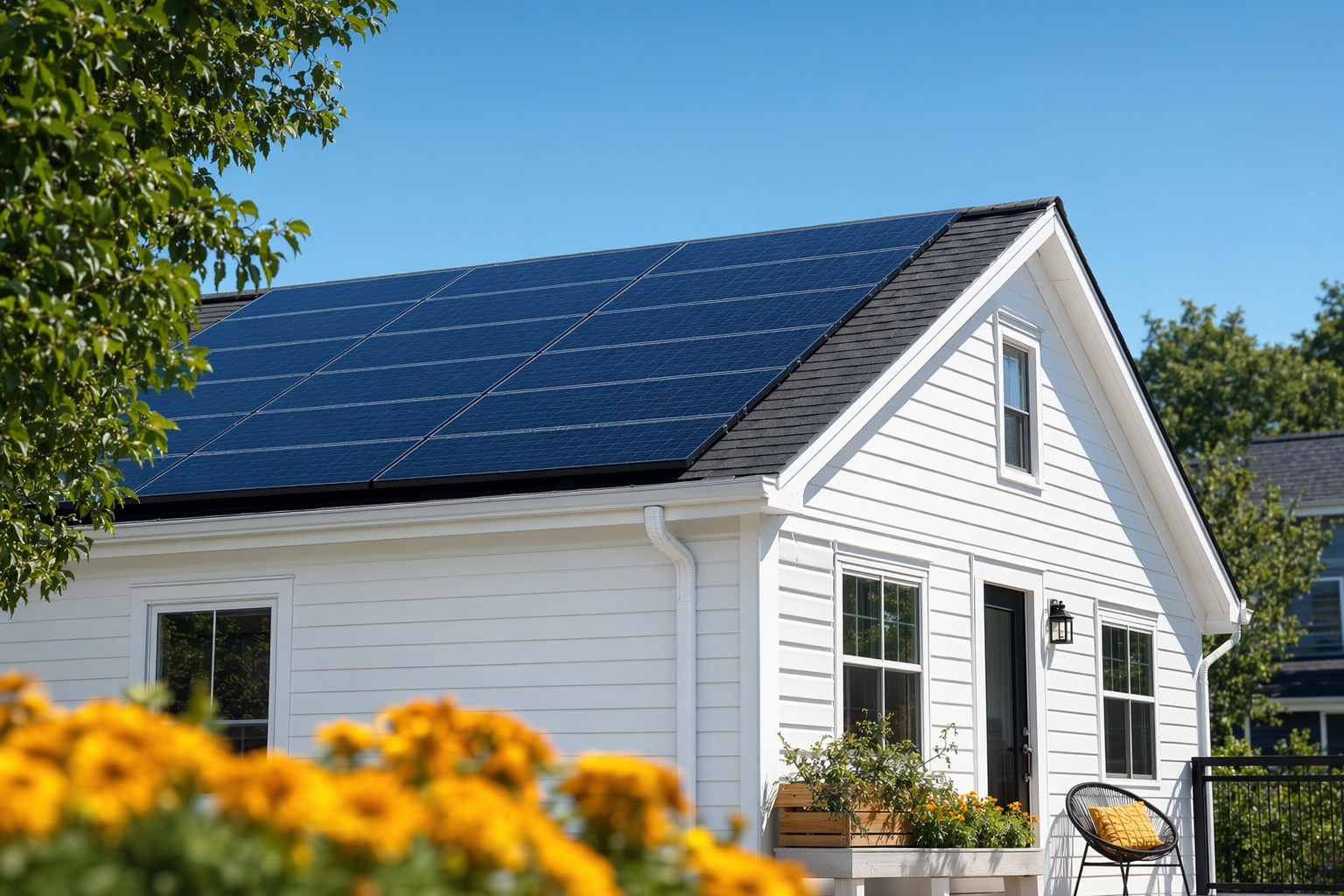
Short answer: often yes, but not always everything
In many solar lease agreements, the solar company that owns the system is responsible for system monitoring, maintenance, and repairs during the lease term. That is one reason some homeowners choose a lease instead of buying. You may have little or no upfront cost, and the provider usually handles equipment problems.
But "maintenance included" does not mean every possible issue is covered. Coverage can vary by provider, equipment, roof condition, contract language, and state rules. Some contracts cover panel, inverter, and monitoring repairs, but not roof work, tree trimming, or damage caused by storms or homeowner negligence.
If you are comparing solar options, it helps to review how leases differ from loans and PPAs in our guides and solutions pages.
What is commonly included in a solar lease

Many leases include the basics needed to keep the leased system running. Common items may include:
- Performance monitoring by the provider
- Repair or replacement of failed leased equipment
- Routine service calls related to equipment issues
- Labor costs tied to covered repairs
- Warranty handling with the equipment manufacturer
In plain language, if the provider owns the system, the provider often has a reason to keep it operating. That said, contracts are different. Some companies respond quickly. Others may have slower timelines, service fees in certain situations, or exclusions hidden in the fine print.
Ask for every promise in writing. If a salesperson says, "We cover everything," ask them to show you the exact section in the contract.
What may not be included
This is where homeowners can get surprised. A lease may cover the solar equipment itself, but not related costs around your home or roof.
Things that may be excluded or limited include roof repairs, reroofing costs, damage from extreme weather, damage caused by third parties, pest damage, internet-related monitoring issues, and moving or reinstalling the system. Tree trimming is another common gray area. If shade grows over time, the system may produce less, but trimming may still be the homeowner's responsibility.
Also ask what happens if you need roof work during the lease term. Some providers will remove and reinstall the panels for a fee. Others may charge different amounts depending on the job. Get those numbers before you sign.
For more plain-language answers like this, you can browse our answers.
Questions to ask before you sign
A solar lease can be simpler than ownership in some ways, but only if you understand the service terms upfront. Before signing, ask these questions and get the answers in writing:
- What maintenance is included, and what is not?
- Are repairs fully covered for the full lease term?
- Is there any service call fee or deductible?
- What is the response time if the system stops working?
- Who pays if the panels must be removed for roof repairs?
- What damage is excluded, such as storms, animals, or accidental impact?
- Who handles manufacturer warranty claims?
- What happens if I sell my home?
Also review the payment terms carefully. Some leases have an escalator, which means your monthly payment can rise over time. A lease may offer lower upfront cost, but the provider usually claims the federal tax credit because the provider owns the system.
Compare the full picture, not just the monthly payment

Maintenance coverage is important, but it is only one part of the decision. A lease, a PPA, and a solar loan each have trade-offs. Leases and PPAs often mean lower upfront cost and less equipment responsibility. Buying with cash or a loan may mean more long-term value for some homeowners, but it usually comes with more responsibility and higher upfront cost or financing obligations.
Solar savings can vary a lot based on your roof, sun exposure, local utility rates, net metering rules, system size, contract terms, and state incentives. That is why it is smart to compare multiple offers side by side, not just one sales pitch.
Never feel rushed. Do not sign on the spot, especially after a door-to-door visit or unexpected phone call. Take the contract home, read it slowly, and ask questions. Some states have extra rules for in-home and door-to-door sales.
If you want help finding companies to compare, SunWise Lease is a free matching service. We help connect homeowners with vetted local solar providers so you can review your options. You can get matched when you are ready.
Many solar leases include equipment maintenance and repairs, but not every problem is covered, so read the contract and compare offers before you sign.