How do I know if my roof is good for solar?
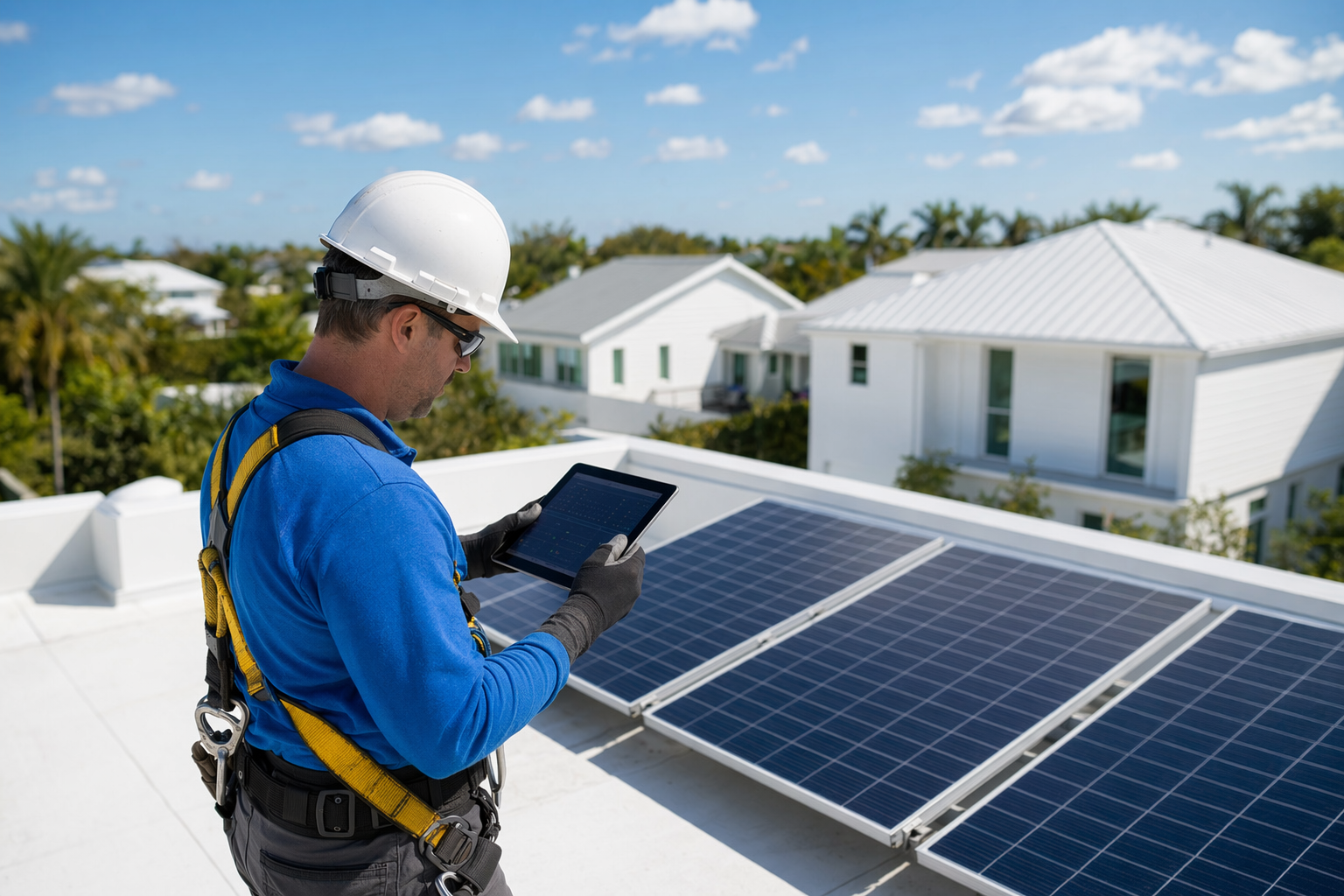
A good solar roof usually gets plenty of sun, has enough usable space, and is in solid condition. The best way to know is to compare a few quotes and ask a vetted installer to check shading, roof age, and local utility rules.
The short answer
A roof may be a good fit for solar if it gets strong sunlight for most of the day, has enough open space for panels, and is not close to needing replacement. Roof direction and tilt matter too, but they are not the only things that matter.
Many homes with "less than perfect" roofs can still go solar. A roof that faces south is often a strong option, but east- and west-facing roofs can also work well. Actual production and possible savings vary by your home, your utility rates, your system size, your contract, and your state.
If you are just starting, it helps to learn the basics in our solar answers and solar guides. Then compare multiple offers before making any decision.
What makes a roof solar-friendly
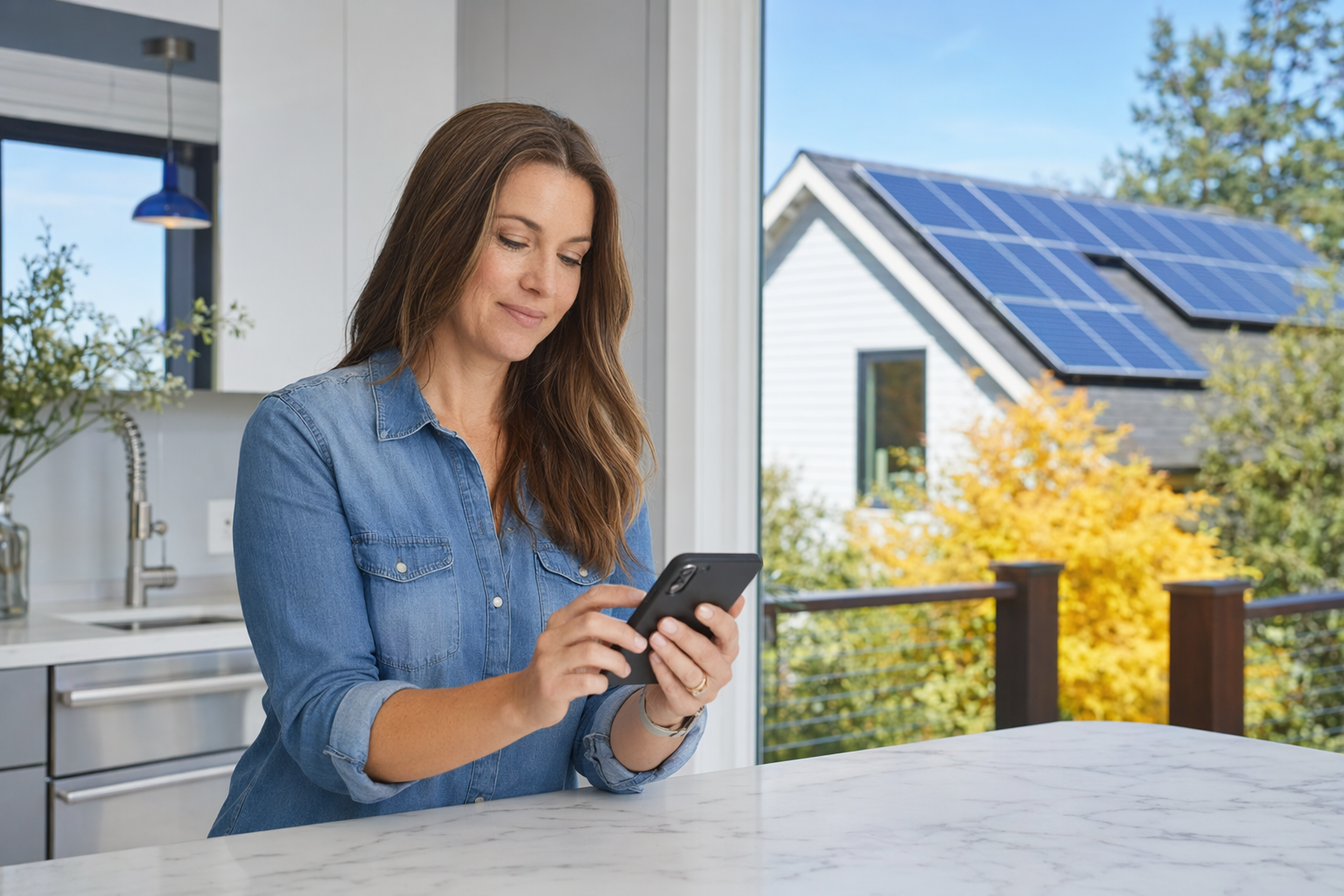
Installers usually look at a few practical things first. They want to know how much sun your roof gets, how much usable area is available, and whether the roof can safely support a solar system.
A solar-friendly roof often has:
- Good sun exposure with limited shade from trees, chimneys, or nearby buildings
- Enough clear space after avoiding vents, skylights, and ridges
- A roof in good condition with several years of life left
- A simple layout with fewer tricky angles or small sections
- A strong structure that can handle the added equipment
Roof direction matters, but it is not a yes-or-no rule. South-facing roofs often produce the most, but east- and west-facing roofs can still make sense. North-facing roofs may be less productive in many parts of the US, but results still depend on your location and roof shape.
Shade and roof age matter more than many people think
Shade is one of the biggest reasons a roof may be less suitable for solar. Even a few hours of heavy shade can lower output. Trees grow over time, so a roof that looks sunny today may be more shaded later unless trees are trimmed where allowed.
Roof age is also important. If your roof may need replacement in the next few years, many homeowners look at reroofing first. Removing and reinstalling panels later can add cost and hassle. That is why it is smart to ask each provider how they evaluate roof condition and what happens if the roof needs work after installation.
If a company says your roof is "perfect" without a real review, slow down. Ask for a shade analysis, estimated annual production, and all assumptions in writing.
Roof type, material, and shape can affect your options
Most common roof types can support solar, but some are easier and less costly to work with than others. Asphalt shingle roofs are common and often straightforward. Tile, metal, flat roofs, and older materials may need different mounting methods or extra labor.
A very steep roof, a roof with many dormers, or a roof broken into small sections may have less usable space for panels. That does not always mean solar is off the table. It may just mean fewer panels fit, or the installation is more complex.
If your roof is not ideal, ask whether there are other workable setups. Some homeowners compare solar solutions such as a smaller system, a different financing structure, or waiting until roof repairs are done. What makes sense can vary a lot by state and utility rules.
How to check your roof before you talk to anyone
You do not need to be an expert. A simple first check can help you ask better questions.
- Look at your roof during the day. Is it sunny for much of the time, or heavily shaded?
- Think about roof age. If it is older, ask a roofer whether it has enough life left for solar.
- Notice obstacles like skylights, vents, and chimneys that reduce panel space.
- Check your past electric bills so you understand your current usage.
- Take photos of the roof and your electric bill to make quote comparisons easier.
After that, get at least two or three quotes. Read every number carefully. Never sign on the spot, especially if someone comes door to door or pressures you by phone. Some states have rules about these sales practices, but it is still wise to slow down and compare.
Questions to ask when you compare quotes

A good quote should explain why your roof is or is not a strong fit. It should also show the trade-offs clearly. If you are considering a lease, PPA, or loan, ask who owns the system, who claims available tax credits, what maintenance is included, and whether payments can rise over time.
Helpful questions include:
- How much shade does my roof get, and how did you measure it?
- How old does my roof appear, and should I replace it first?
- How many panels fit, and why?
- What is the estimated yearly production range?
- What assumptions are you using about utility rates and system performance?
- In a lease or PPA, is there an escalator that may raise my payment each year?
- If I buy with a loan, what are the monthly costs, fees, and total amount paid over time?
SunWise Lease is a free matching service. We help homeowners understand options and get matched with vetted local solar providers. We only collect home and contact details so providers can prepare quotes. We do not ask for Social Security numbers, bank account numbers, or credit-card numbers.
A good solar roof gets decent sun, has enough clear space, and is in solid shape, but the only real way to know is to compare a few written quotes and ask careful questions.