What if my leased solar panels stop working?
If leased solar panels stop working, the lease provider is usually responsible for repairs and system maintenance under the contract. The exact process can vary, so it is important to check your agreement and report the issue right away.
Who handles repairs on a leased system?
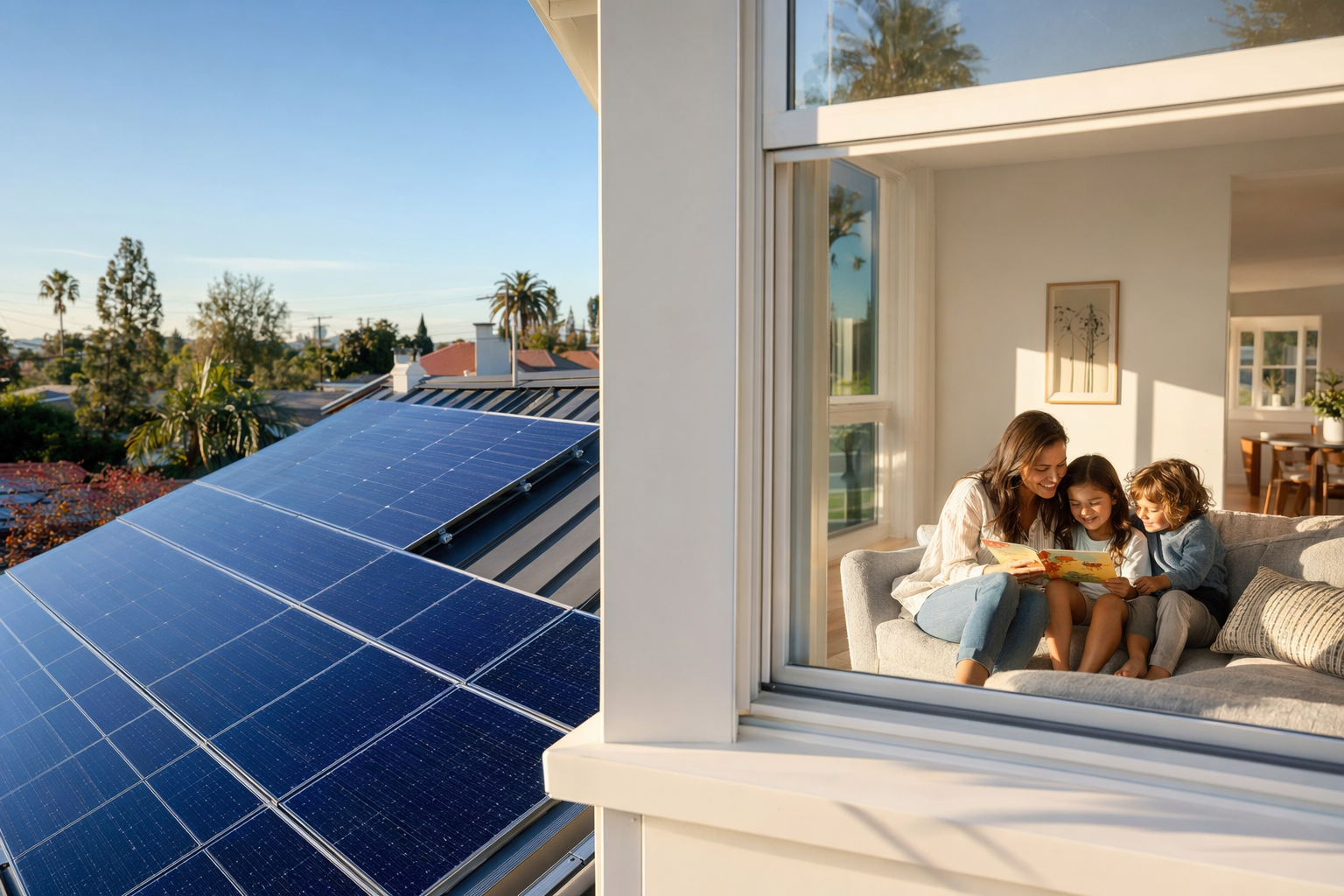
With a solar lease, the provider usually owns the panels and is usually the one responsible for maintenance and repairs. That is one reason some homeowners choose leasing: the upfront cost can be lower, and service may be included.
But the details depend on your contract. Some leases cover parts, labor, monitoring, and roof-related rules differently. Read the agreement carefully so you know who to call, what is covered, and how long repairs may take.
If you are comparing solar options, it can help to review solar basics and common solar answers before you sign anything.
What to do first if the panels stop producing
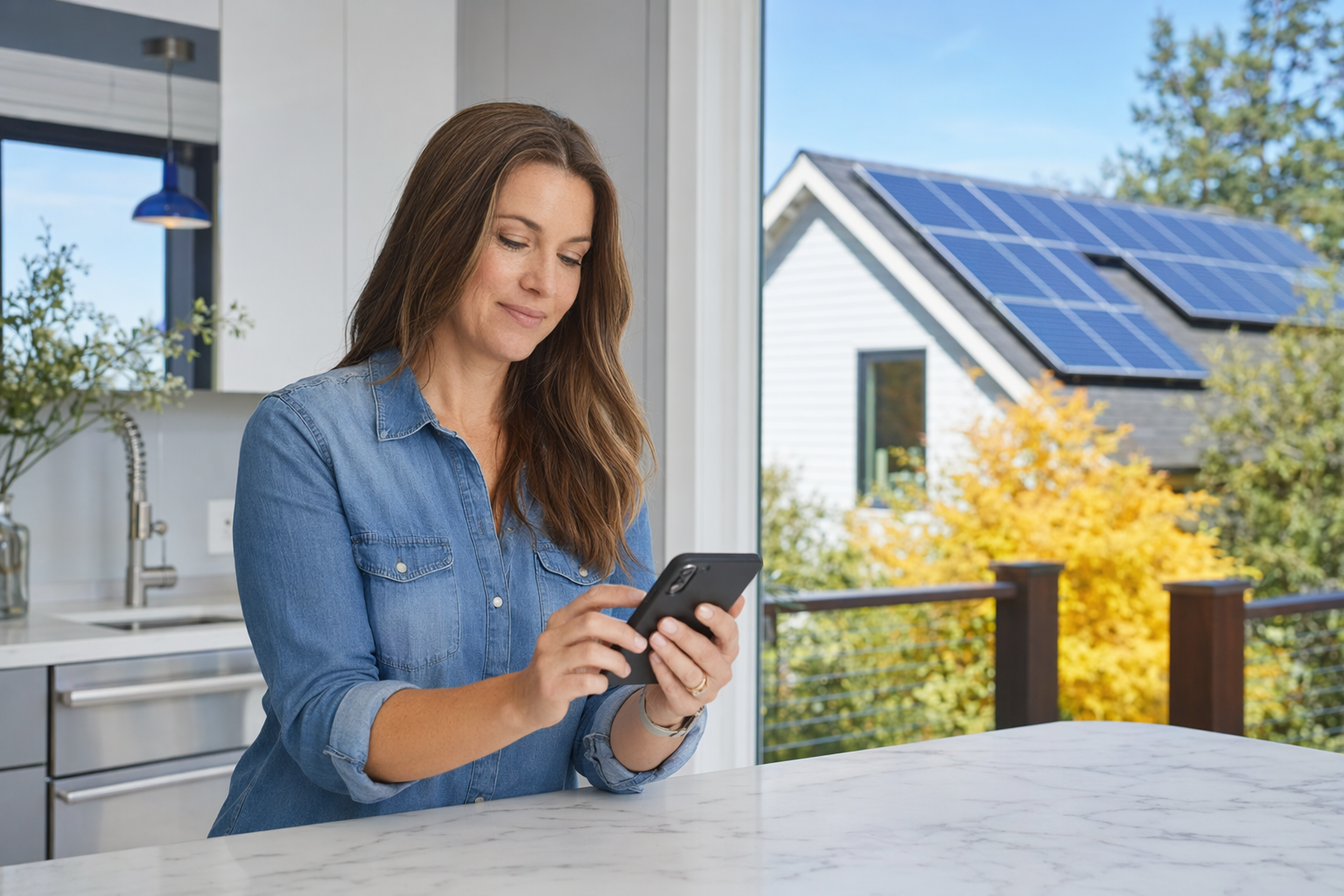
Start by looking for simple signs, like a monitoring app alert, a breaker issue, or a notice from the provider. Then contact the lease company or its service team as soon as you can and ask for the next steps in writing.
Keep notes on dates, photos of any error messages, and copies of every email or text. If the system is down, ask whether your contract includes a production guarantee, service timeline, or any payment adjustment. Do not assume the answer is yes unless it is written in the contract.
If you are still shopping, our free matching service can connect you with vetted local solar providers so you can compare lease, PPA, and loan offers.
Will I still have to pay while the system is down?
Sometimes yes, sometimes no. Many lease or PPA contracts still require monthly payments even when the system is under repair, but some agreements may include credits, performance promises, or other protections.
This is why it is so important to get every number and promise in writing before you sign. Ask about payment obligations during outages, who pays for repairs, and what happens if the system is not fixed quickly.
If a salesperson says a lease will always save you money, be careful. Solar savings can vary by home, roof, utility rates, state rules, system size, and the contract terms. Buying or financing may offer more long-term ownership benefits, but it can also mean higher upfront cost.
What should I ask the provider?
Use clear questions and ask for simple written answers. You can copy this list:
- Who is responsible for repairs and maintenance?
- Is monitoring included, and who watches for system problems?
- If the system stops working, how fast will service start?
- Do I still make monthly payments during downtime?
- Are there any fees for service calls, roof work, or replacement parts?
- What happens if the provider goes out of business or stops servicing my system?
It is also wise to read the full contract, not just the sales summary. Never sign on the spot, especially after a door-to-door or phone sales pitch. Take time to compare multiple offers and make sure you understand the terms.
How SunWise Lease helps

SunWise Lease is a free matching service, not a solar installer, lessor, or financial advisor. We help homeowners understand lease, PPA, and loan options in plain English and connect you with vetted local solar providers.
We only collect home and contact details. We do not ask for Social Security numbers, bank account numbers, or credit card numbers.
If your panels are not working, or you want to compare options before you buy, get matched and review the details carefully before deciding.
If leased solar panels stop working, the provider usually handles repairs, but your contract decides the details—so report the problem fast, keep everything in writing, and compare offers before you sign.